Pig City
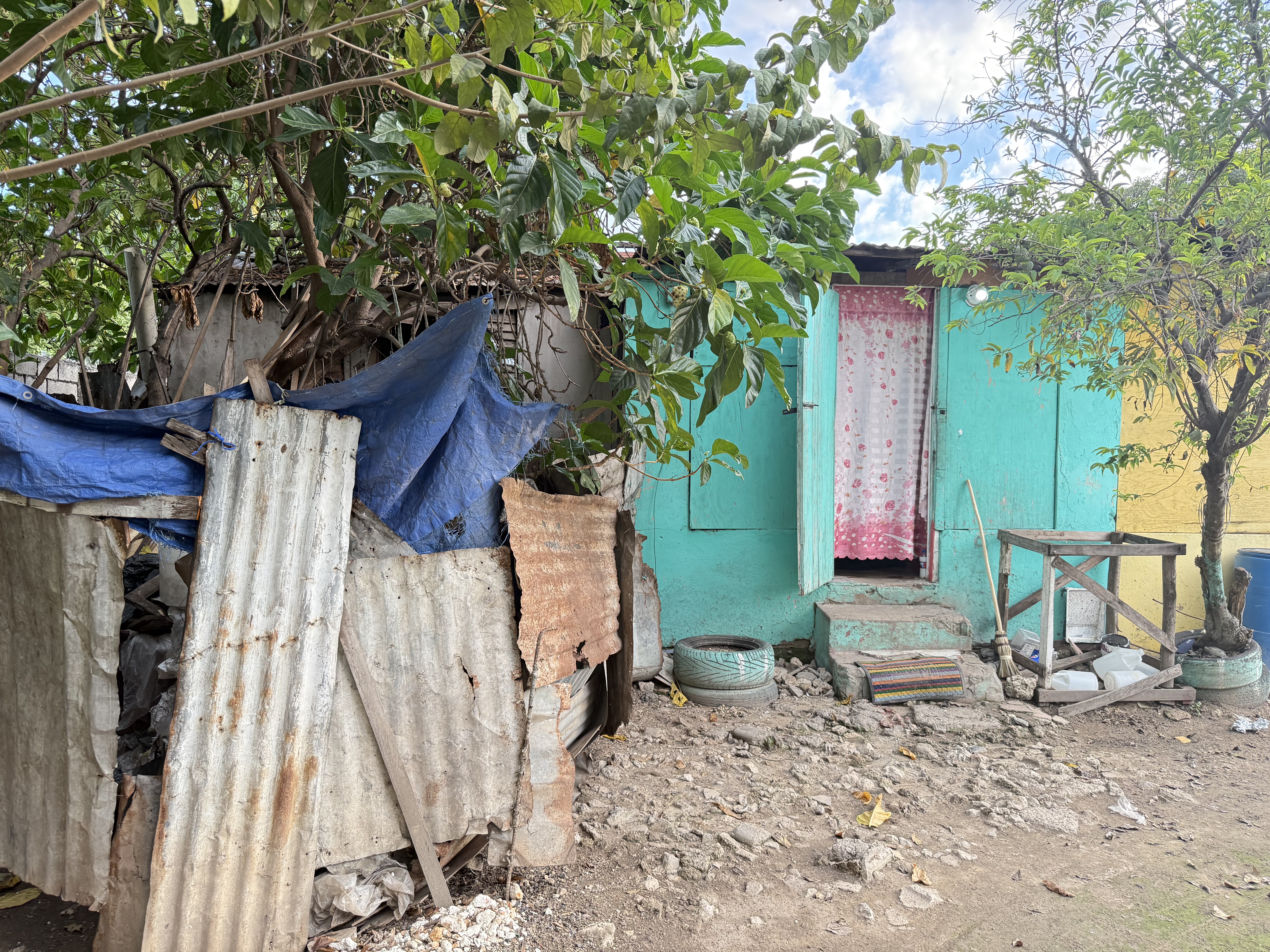
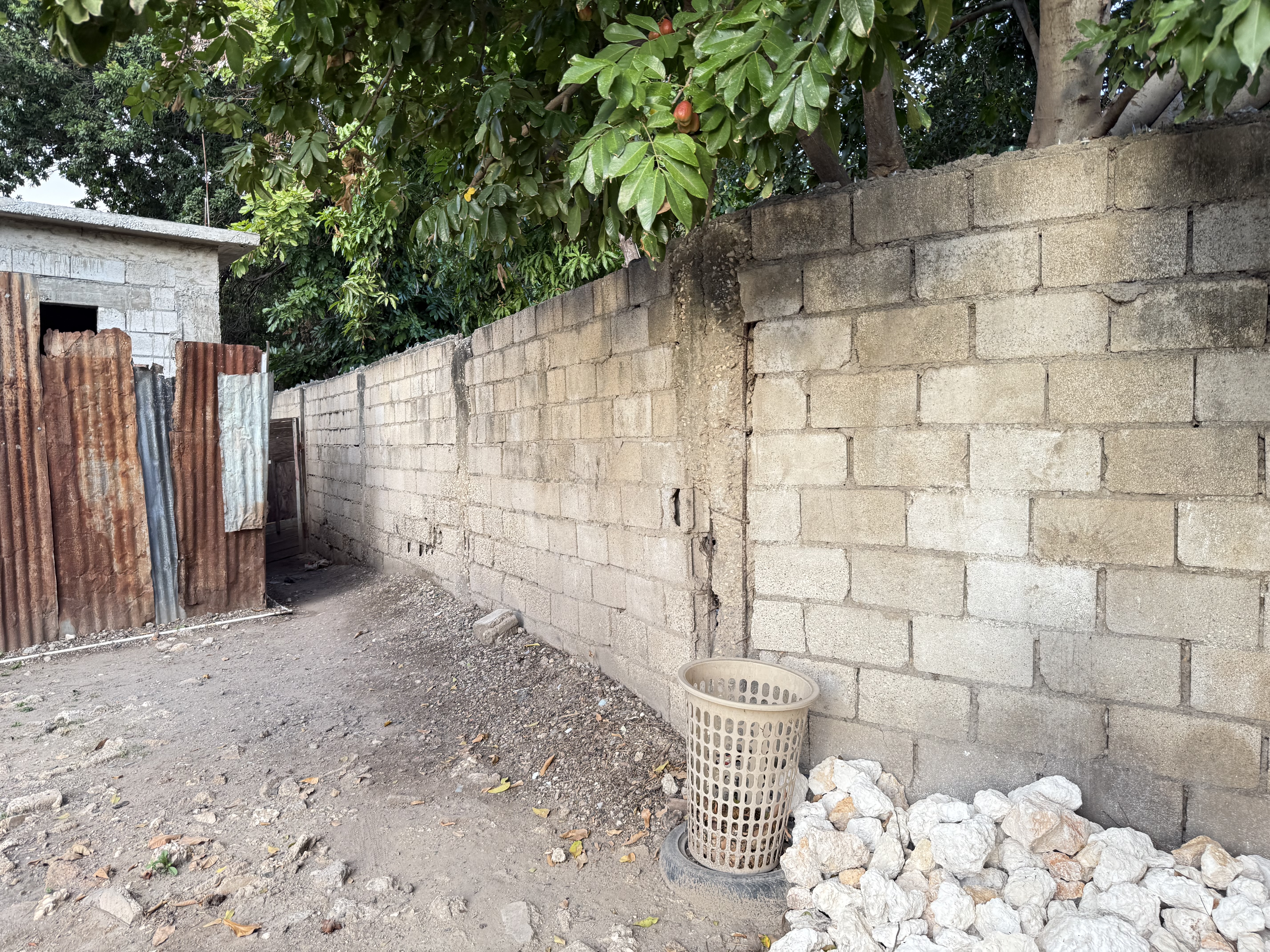
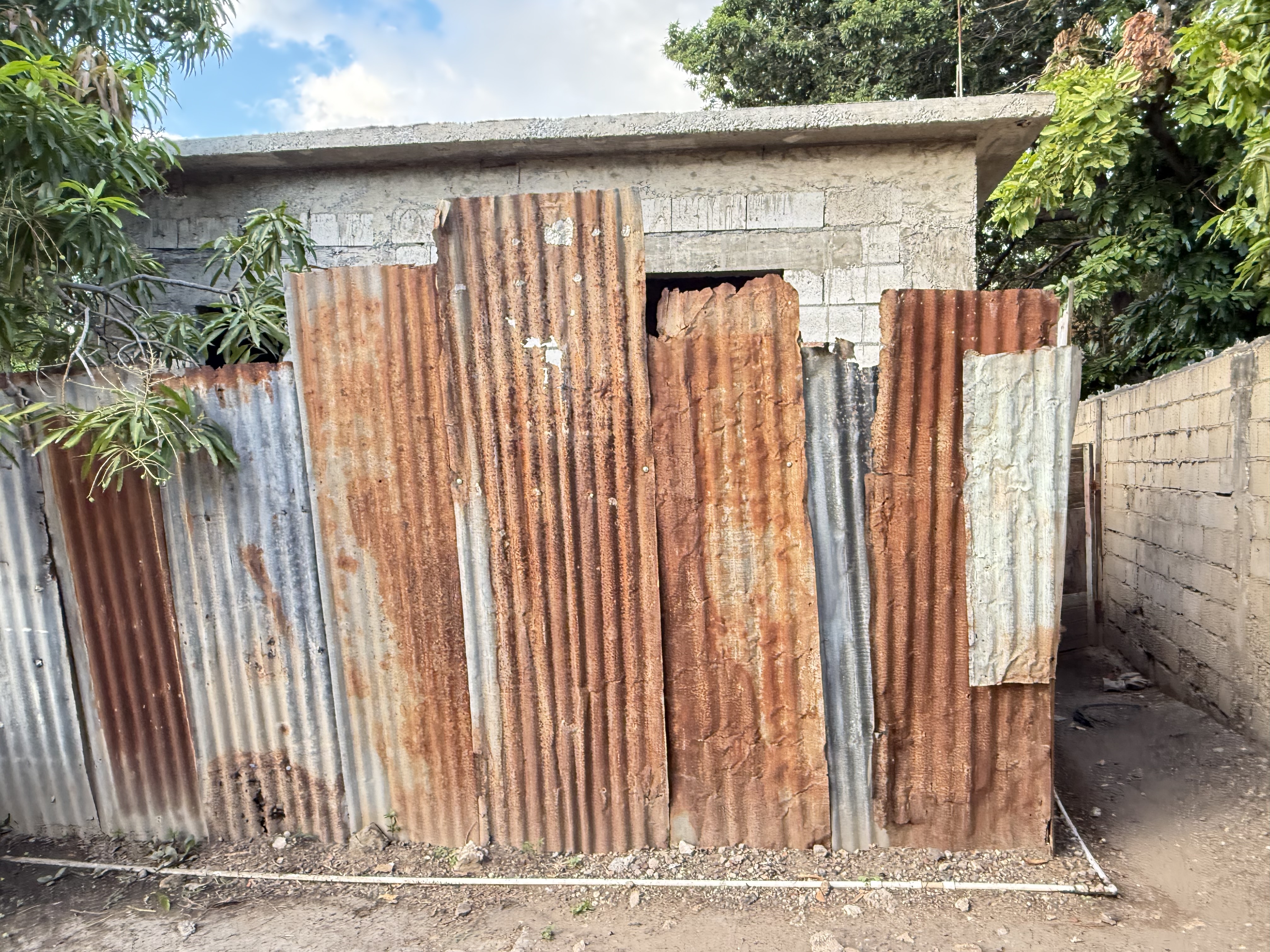
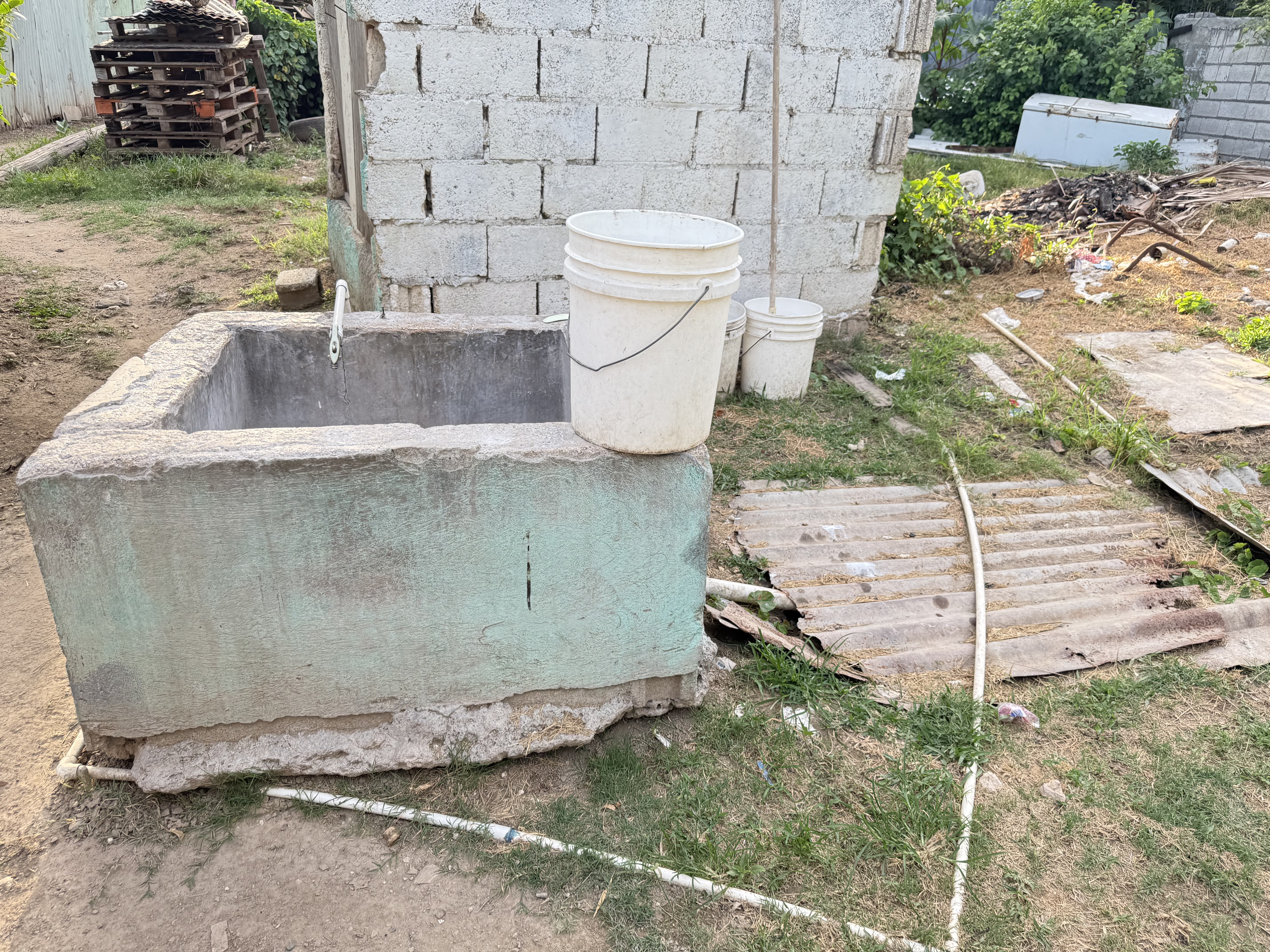
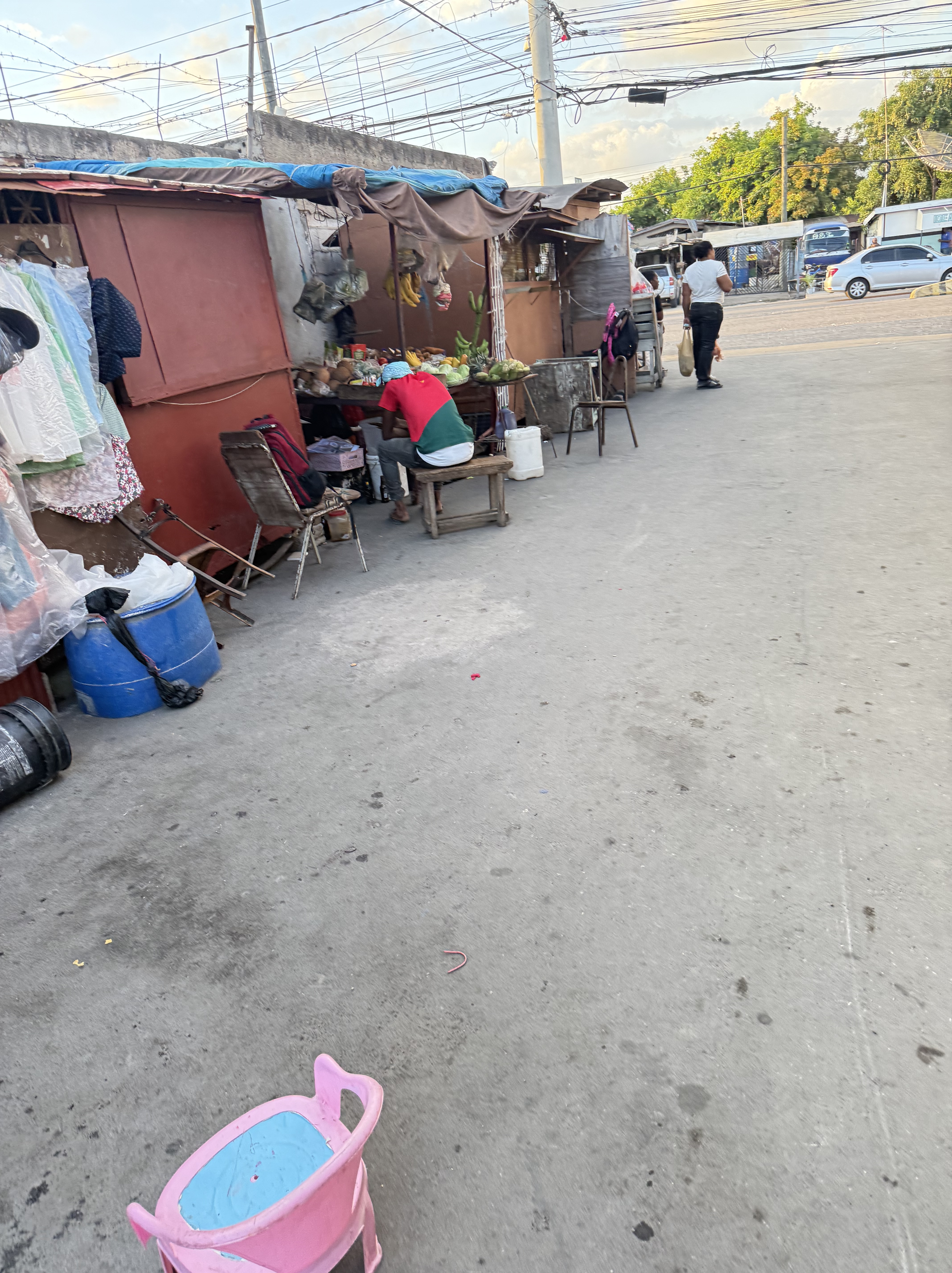
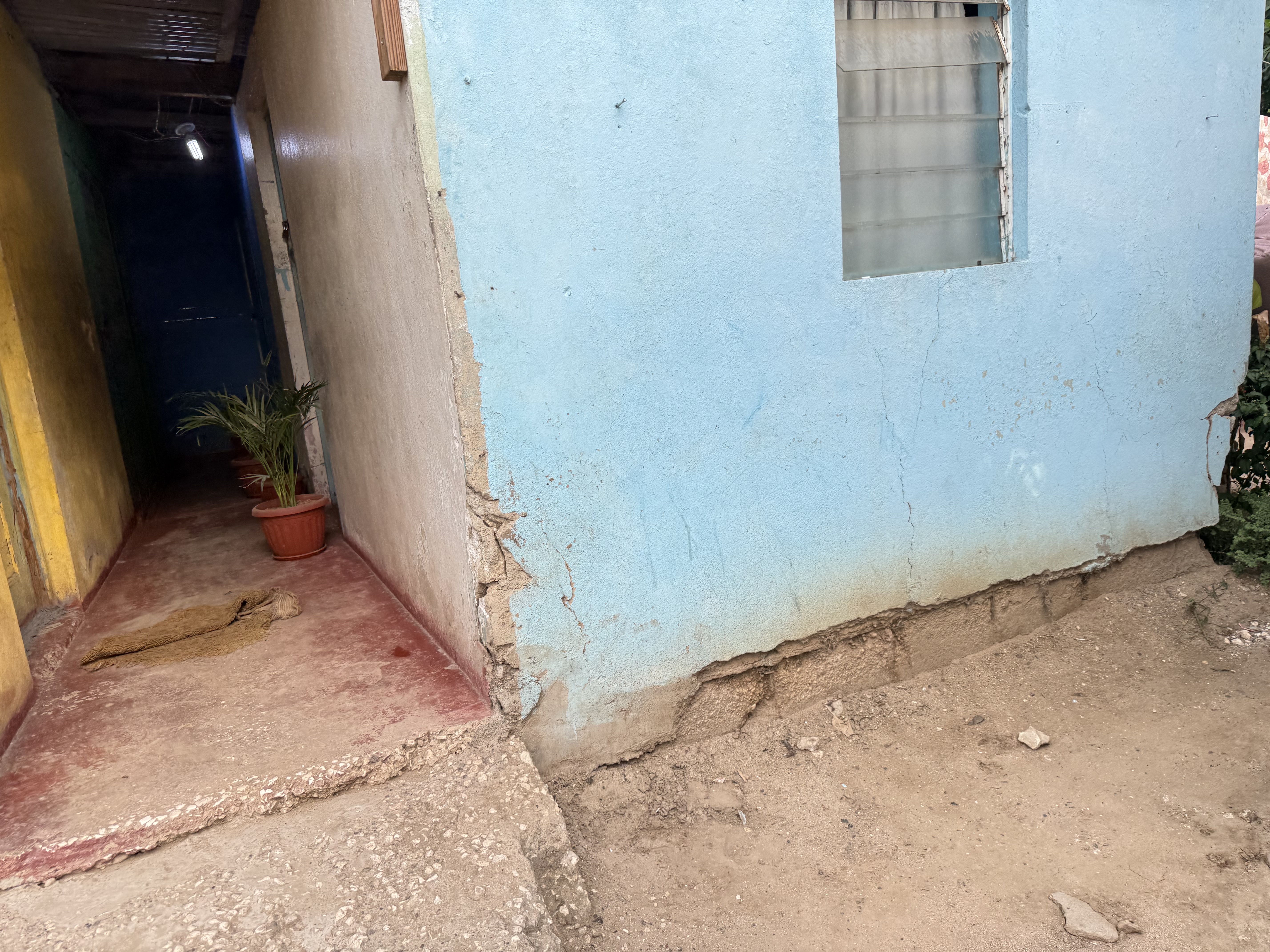
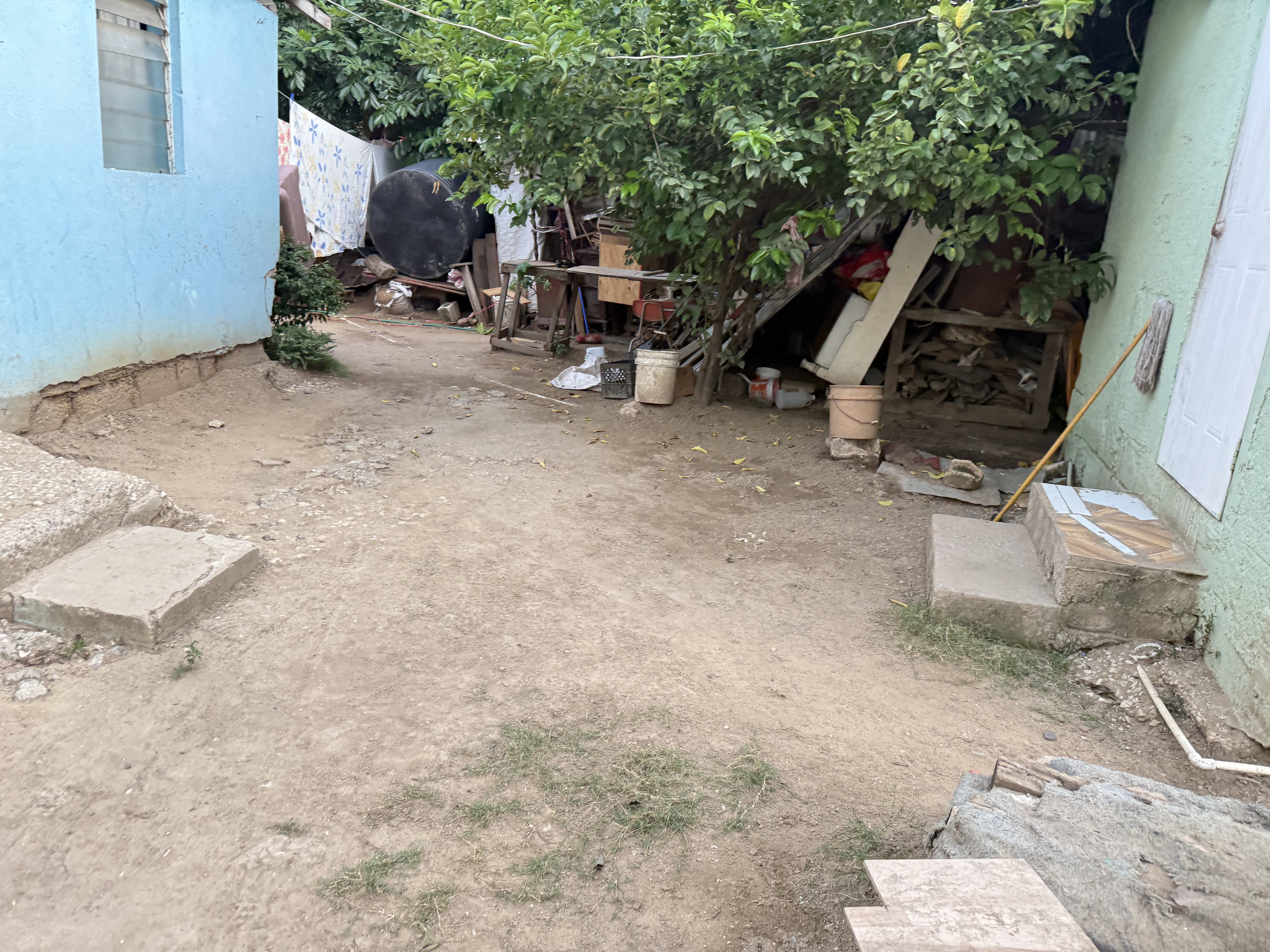
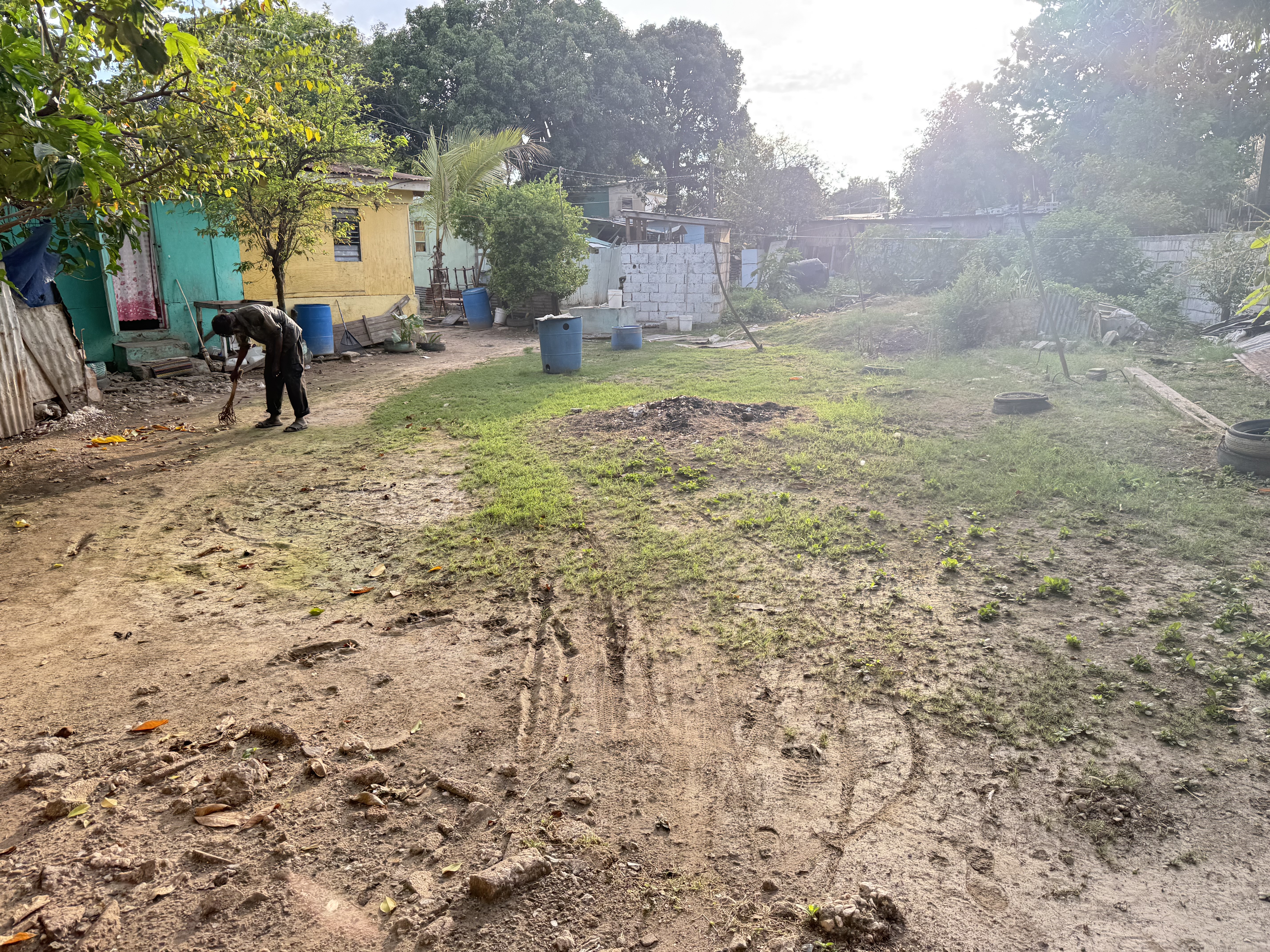
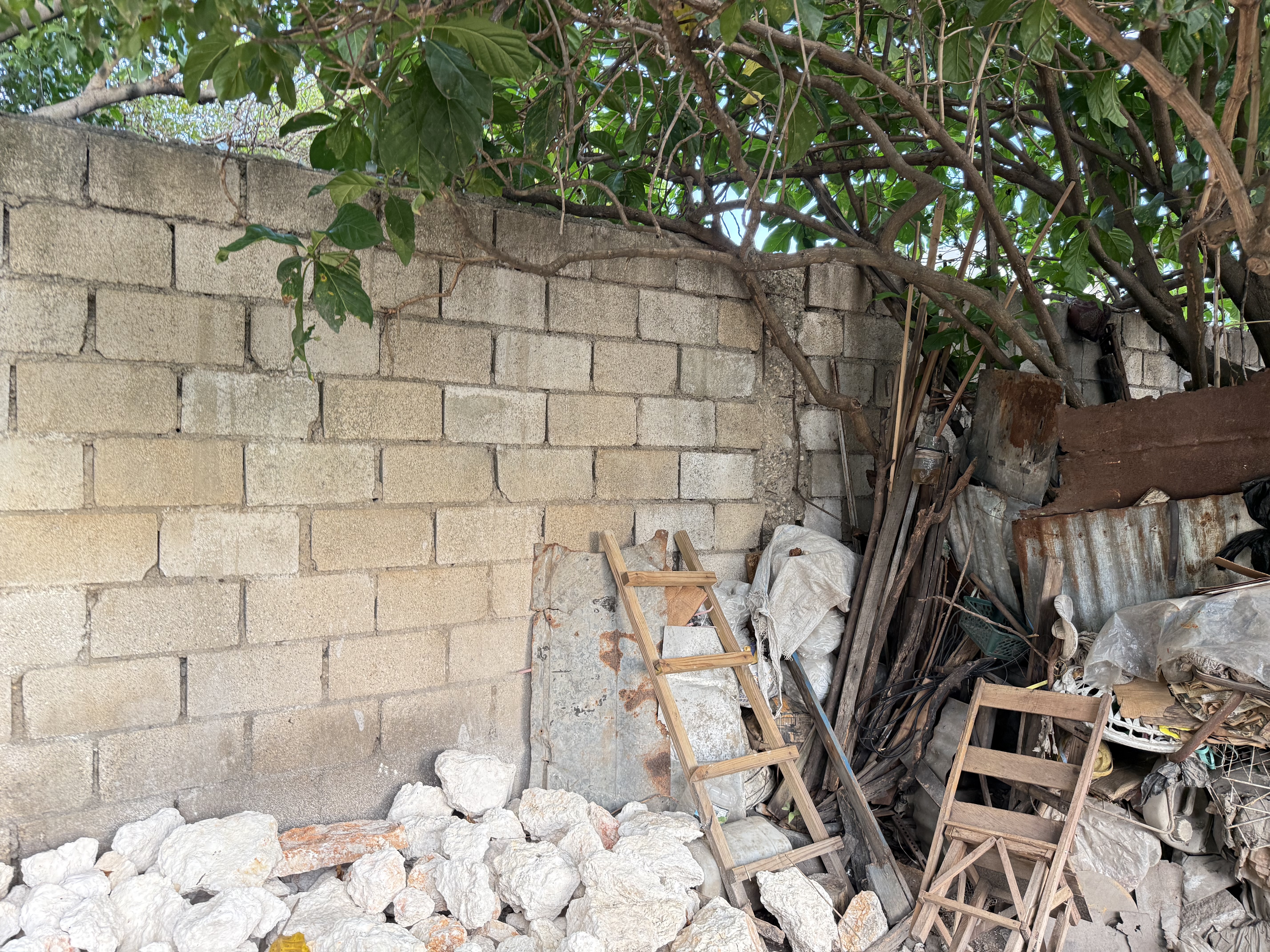
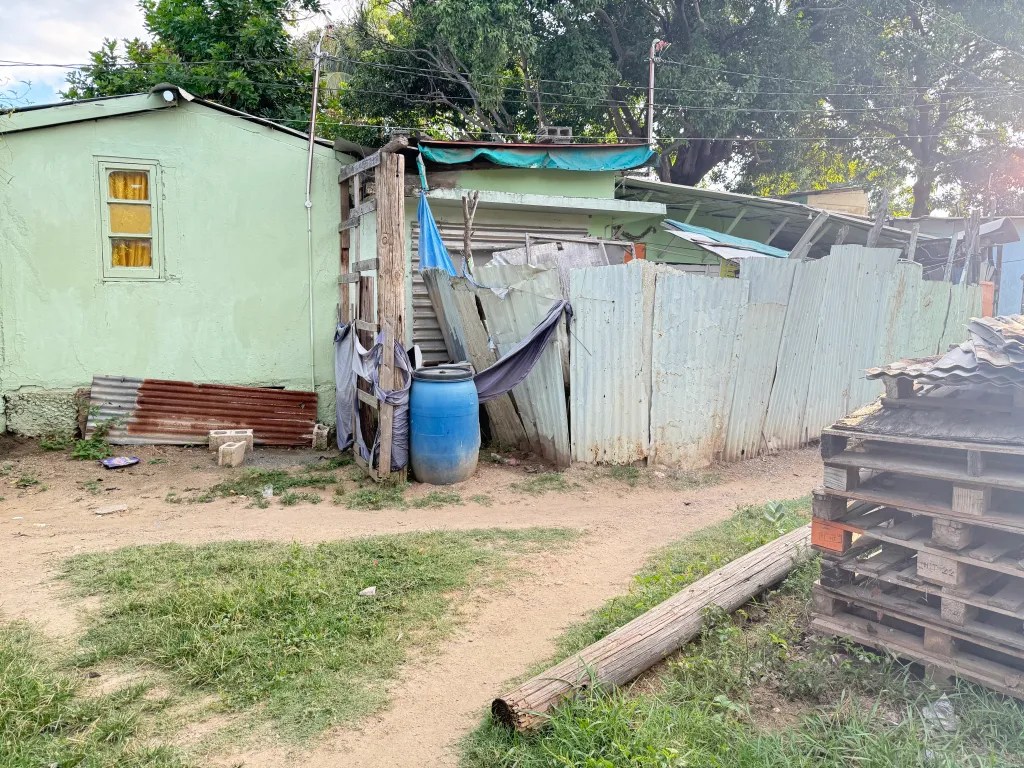
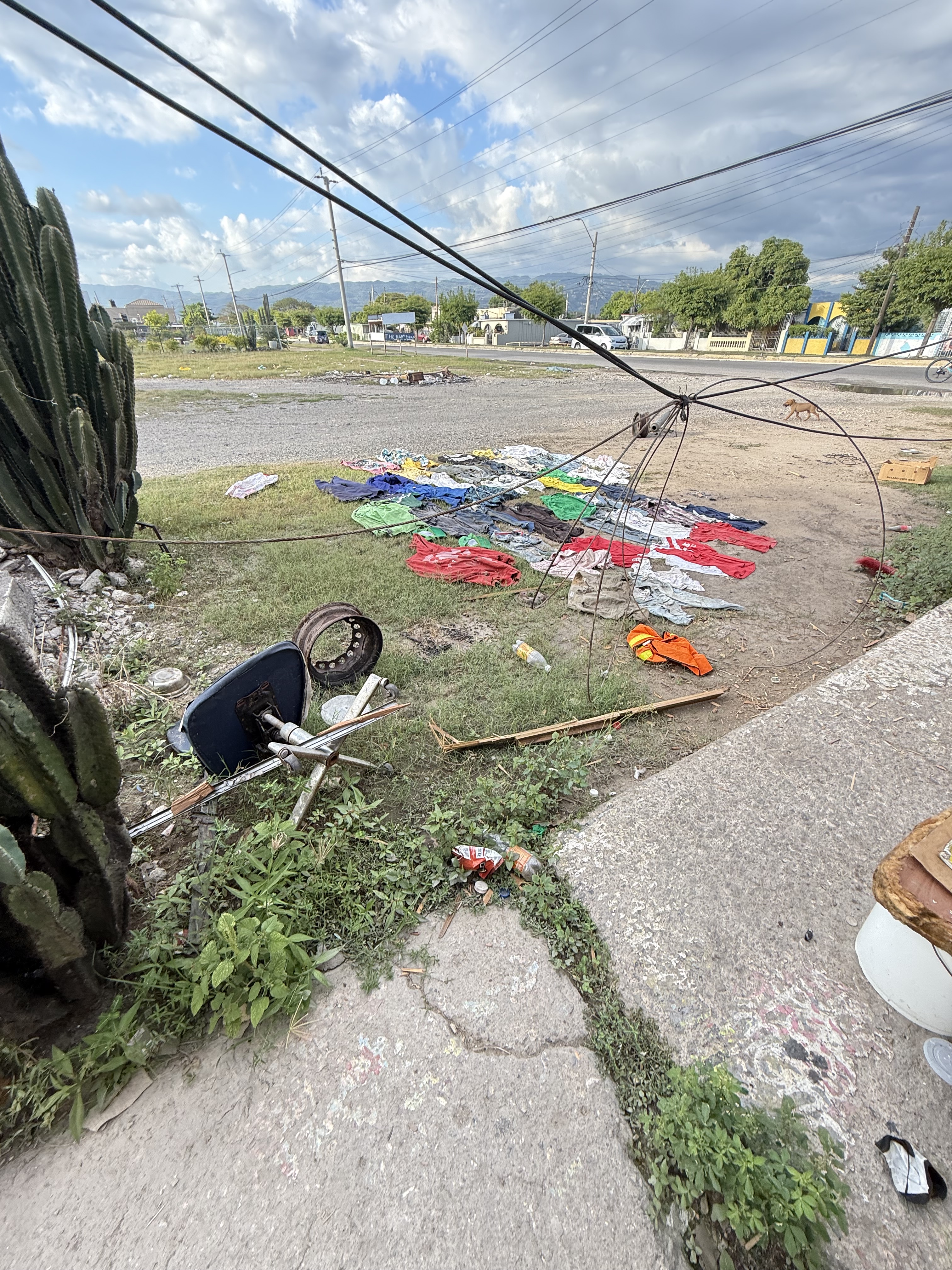
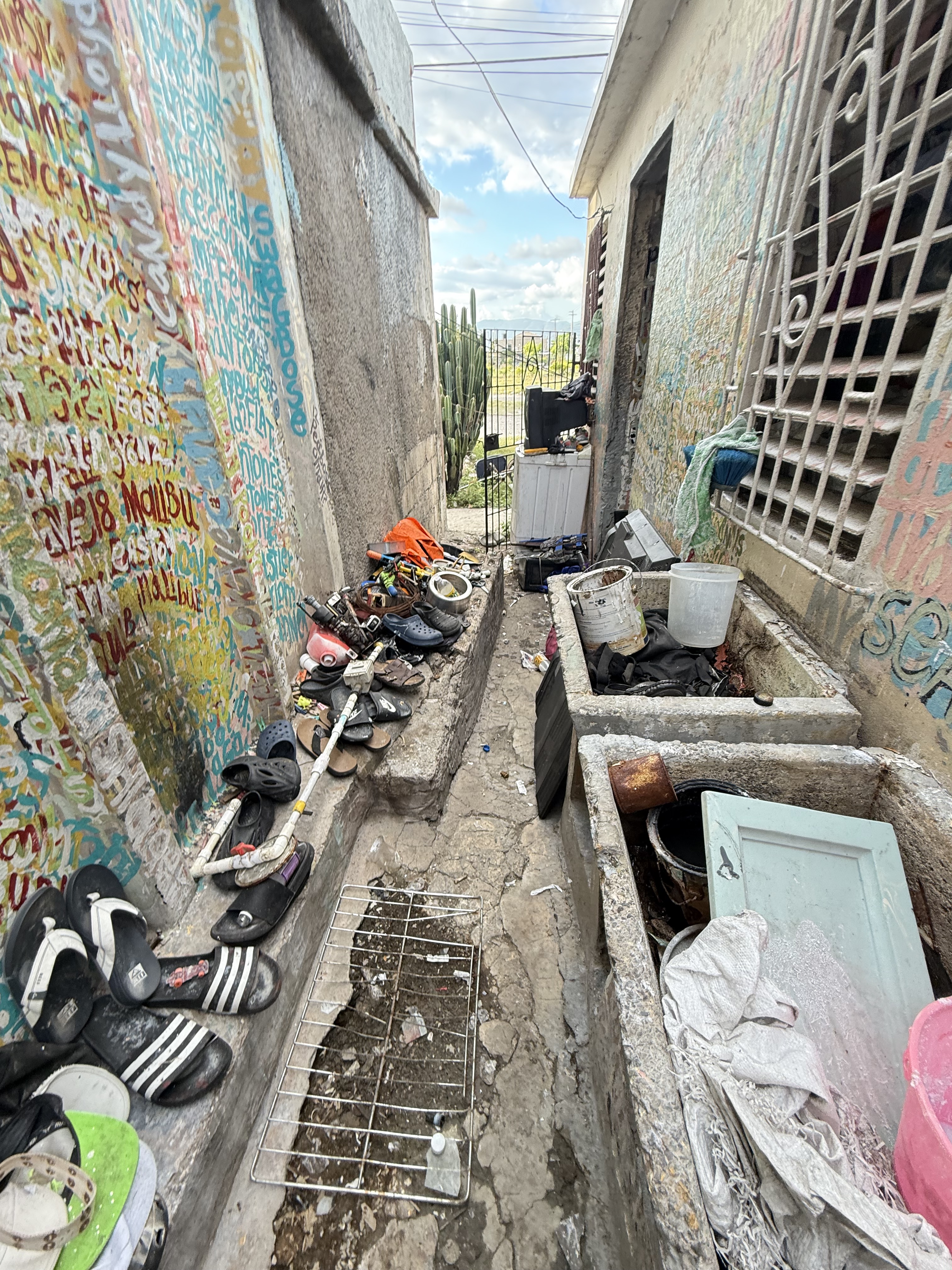
These photos reflect the environment I once called home, a place known as Pig City. It was not a name given lightly, but one that described the harsh and often degrading conditions of the community. Growing up in this setting meant living among broken structures, overcrowded spaces, and a constant reminder of scarcity. The images are not meant to sensationalize poverty but to show the reality of what it means to survive in such circumstances. Pig City was more than just a location; it was an atmosphere that shaped how people thought, acted, and saw their own future. For many, it reinforced the feeling of being stuck, of not having a way out. Looking back at these photos, it is clear how deeply the physical environment influences the mindset of those within it, and how difficult it can be to rise above when your surroundings continually pull you down.


Passage Fort
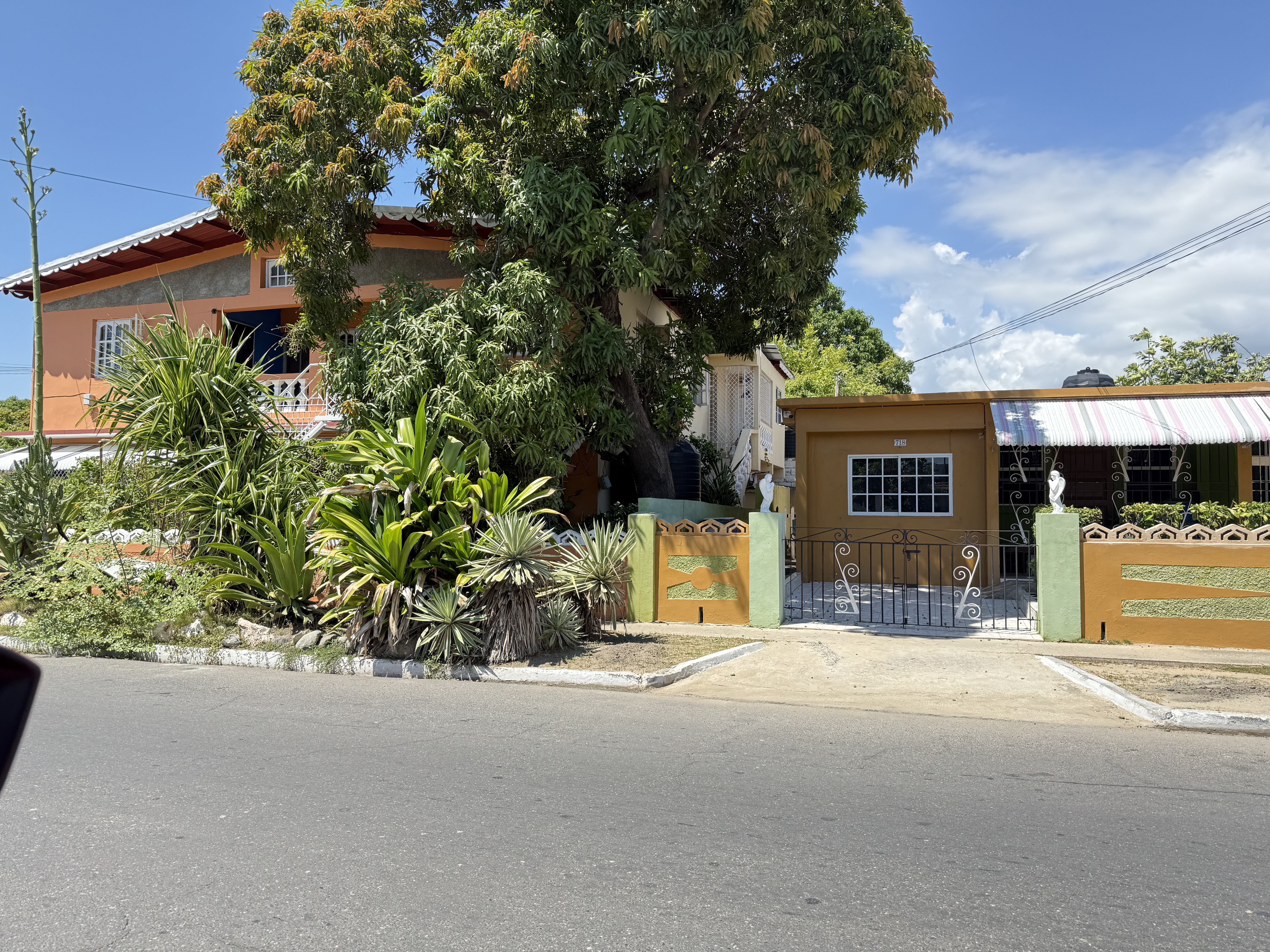
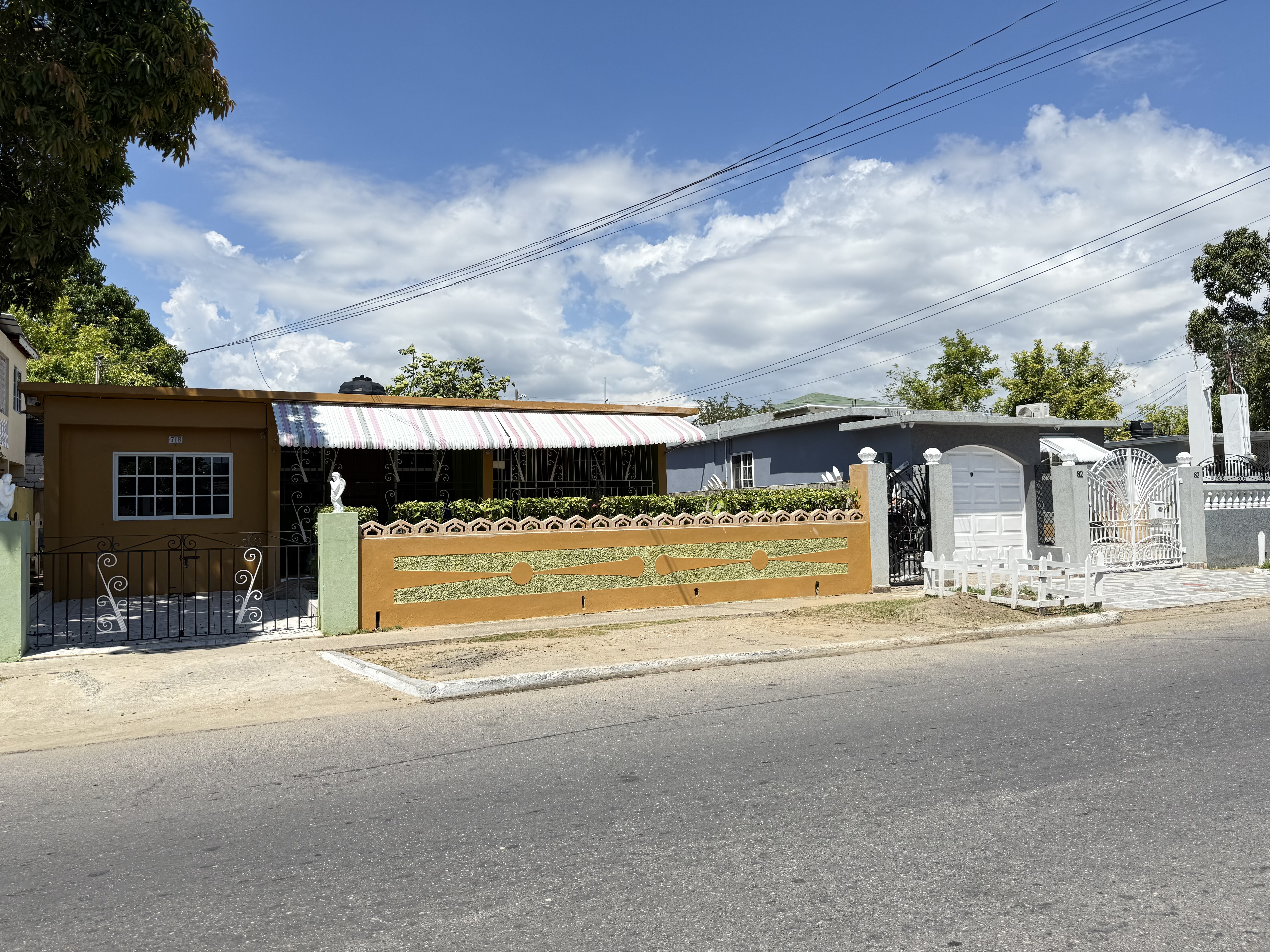
Passage Fort was an adjacent community to Pig City, yet the separation between the two felt like more than just geography. A high wall divided the spaces, and with it came a clear line between struggle and relative stability. On one side, Pig City carried the weight of poverty, neglect, and survival. On the other hand, Passage Fort offered stronger homes, cleaner surroundings, and the appearance of order. Even though the communities stood side by side, that wall made Passage Fort feel distant, almost unreachable, as if opportunity itself was being guarded. Growing up with that barrier in plain sight was a constant reminder of what we did not have, and of how environment and circumstance can sharply define what feels possible. These photos capture that contrast—the visible divide between two worlds so close together, yet so far apart in reality.
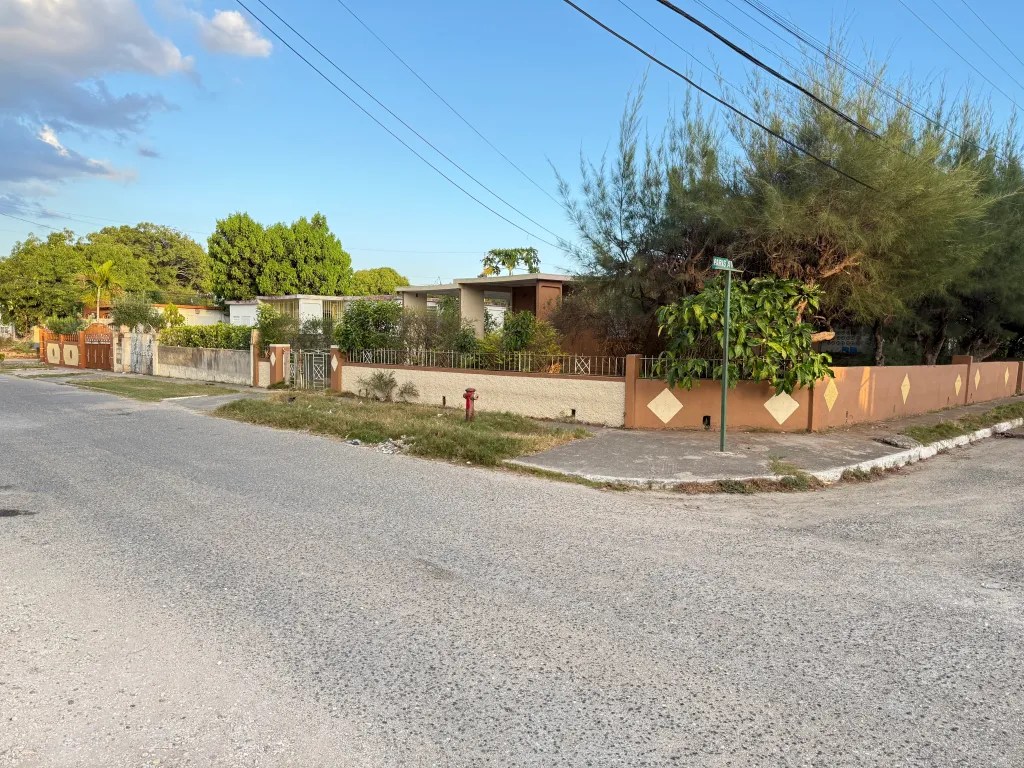
Waterford
Among the most significant landmarks of Waterford was its high school, which I attended after leaving the struggles of primary education behind. Waterford High stood as a symbol of opportunity within the community, a place where ambition could begin to take shape. It was there that I faced many challenges in academics and confidence, but also found glimpses of what determination and hard work could bring. For many of us, the school was more than classrooms and lessons—it was a proving ground. It showed that even in difficult times, there were teachers and peers who pushed us to see beyond immediate limitations. Looking back, Waterford High represents both the trials of those years and the seeds of hope that continued to guide my journey.
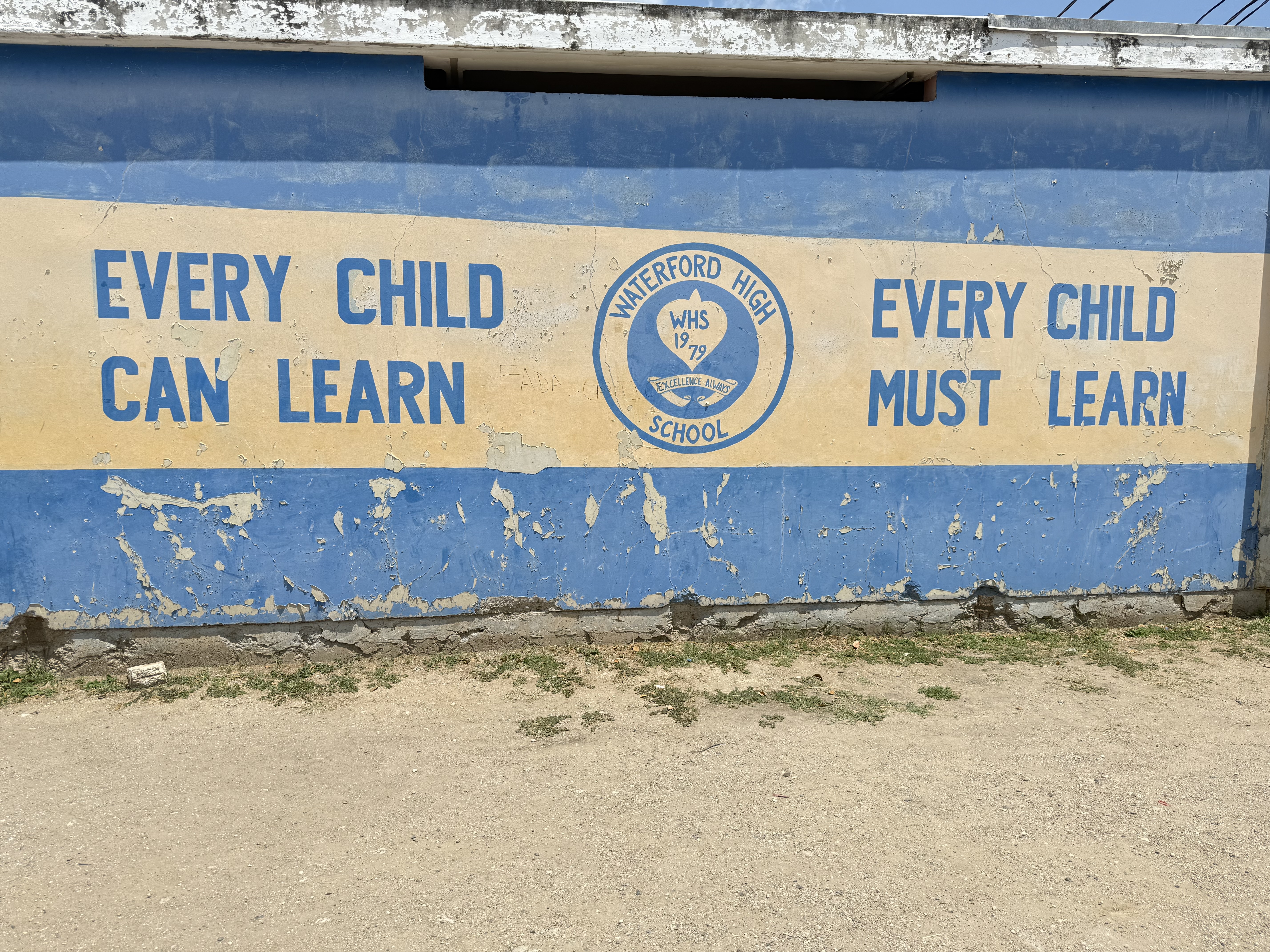
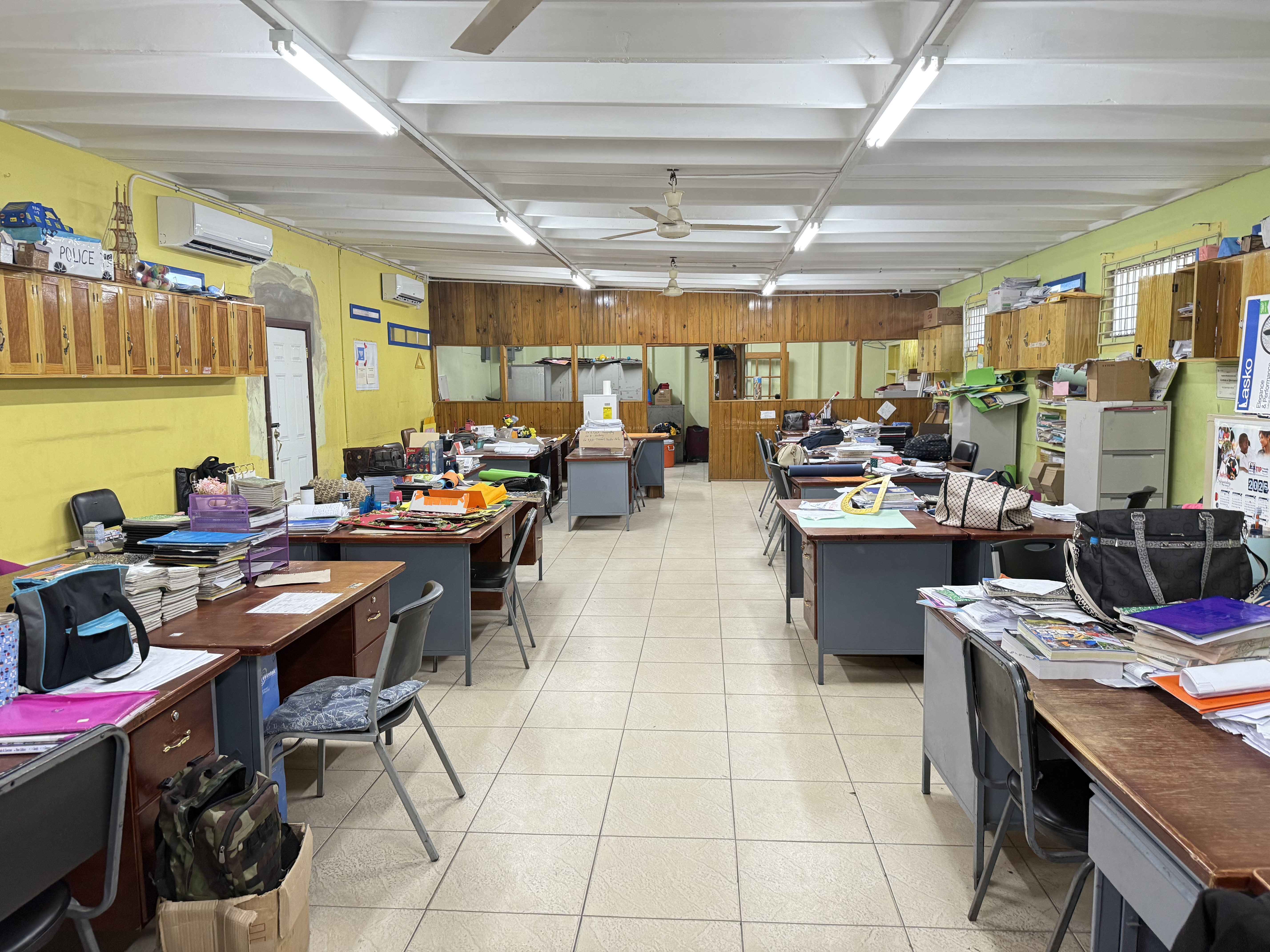
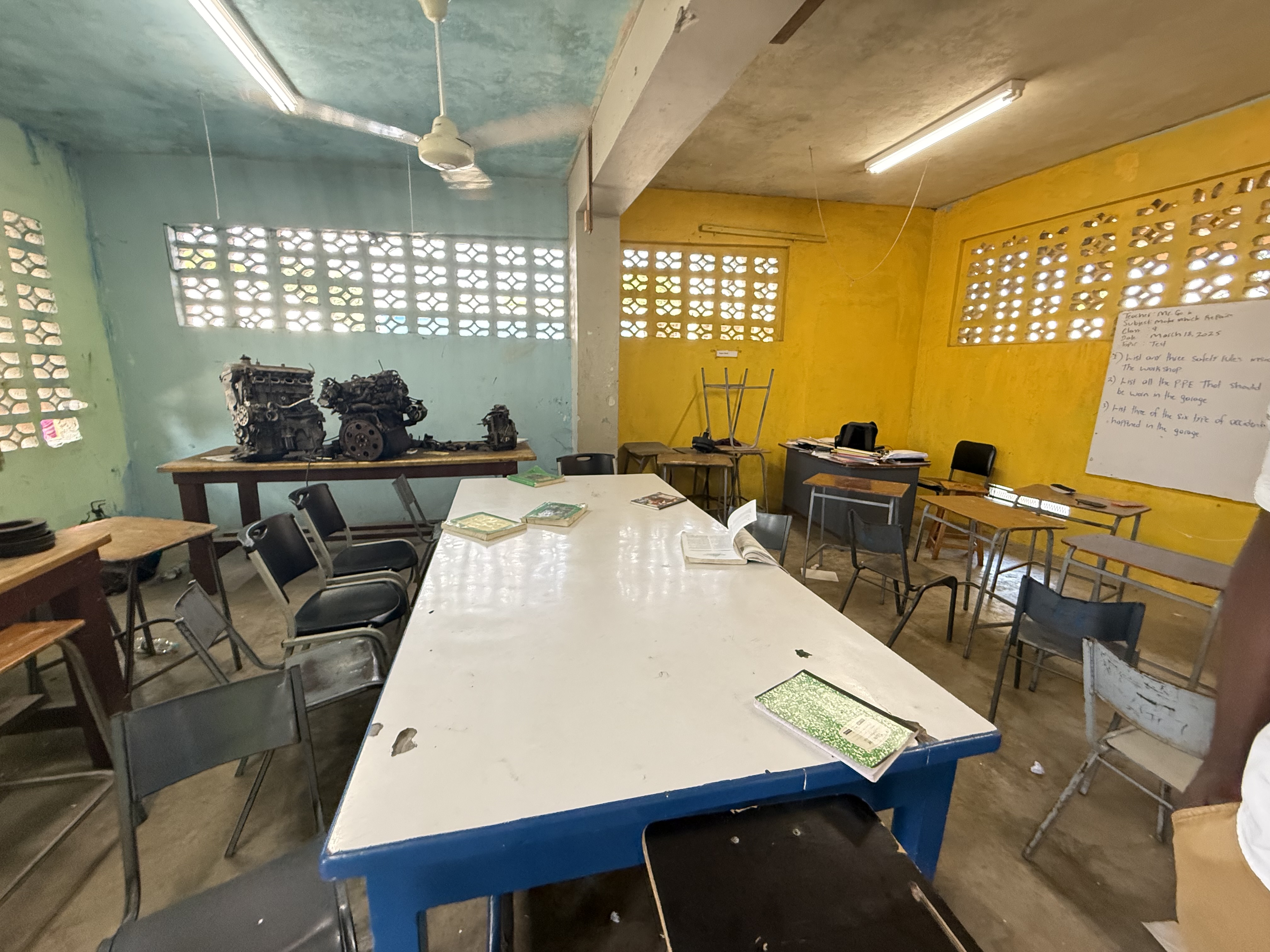
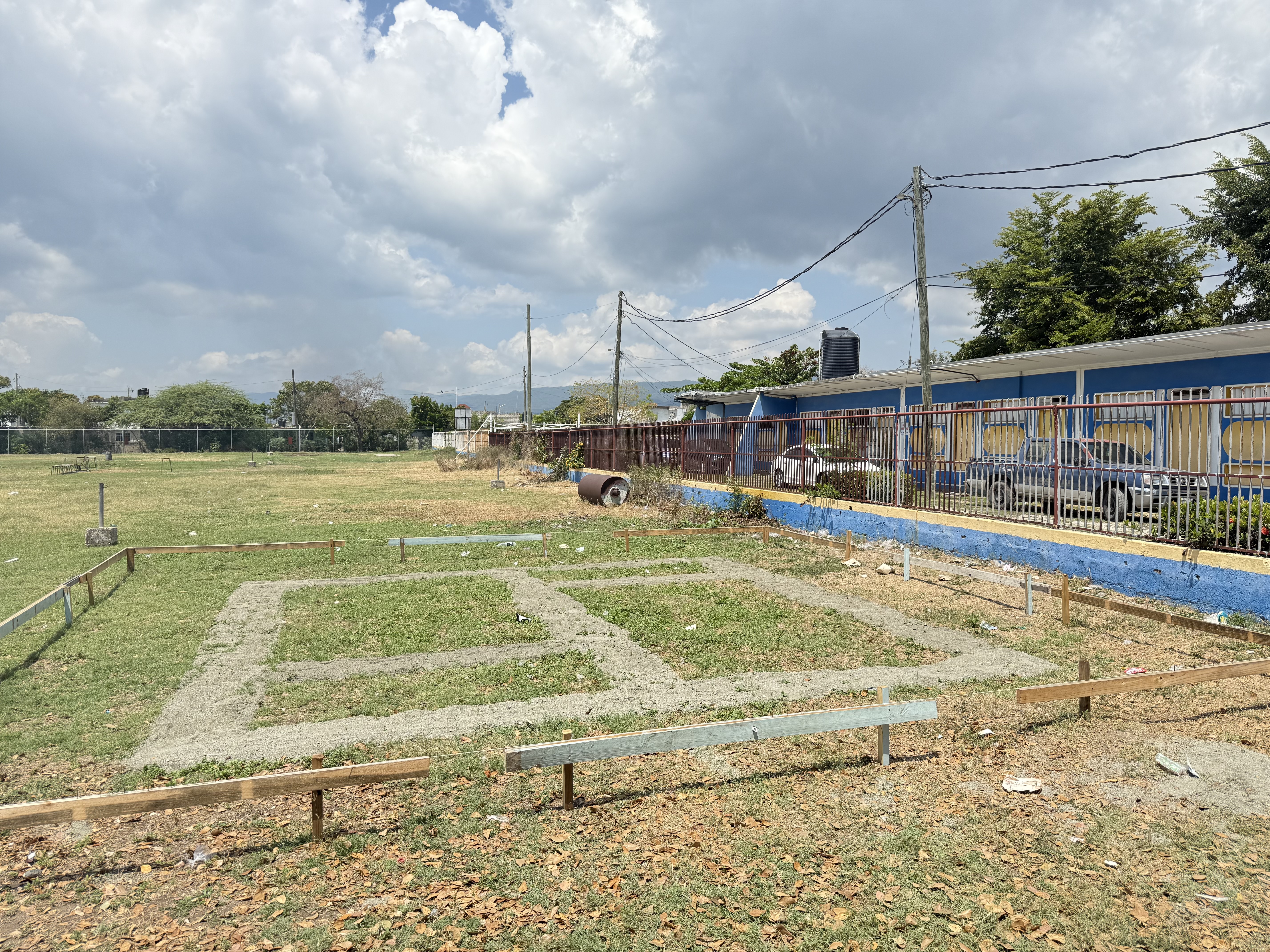
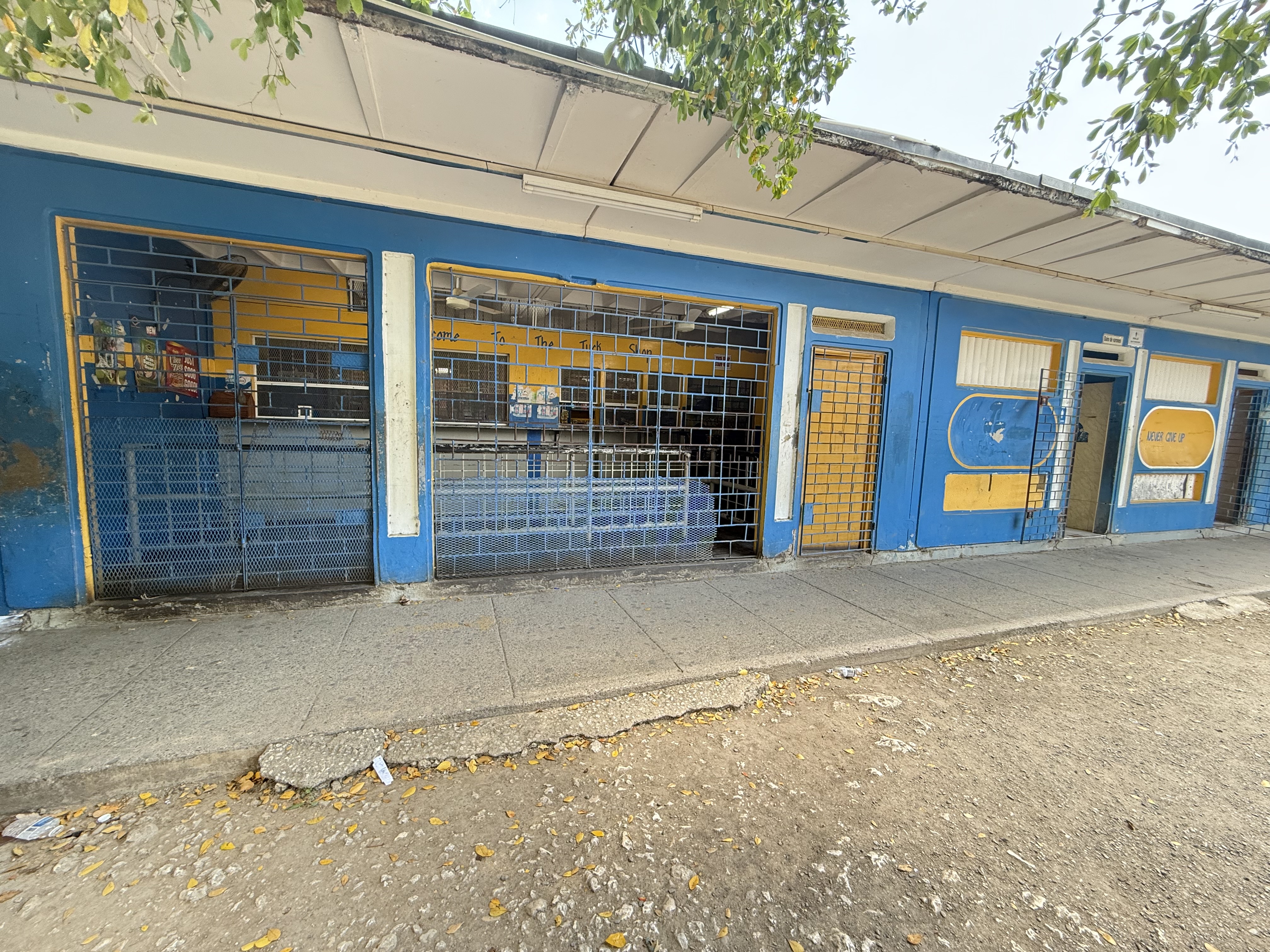
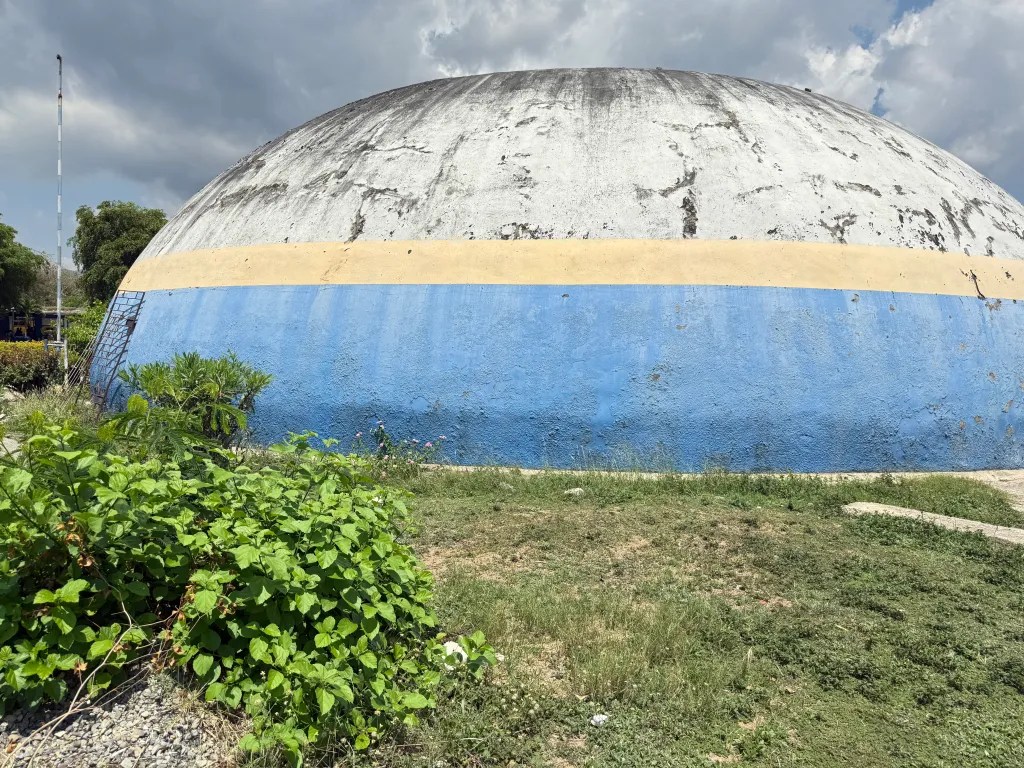
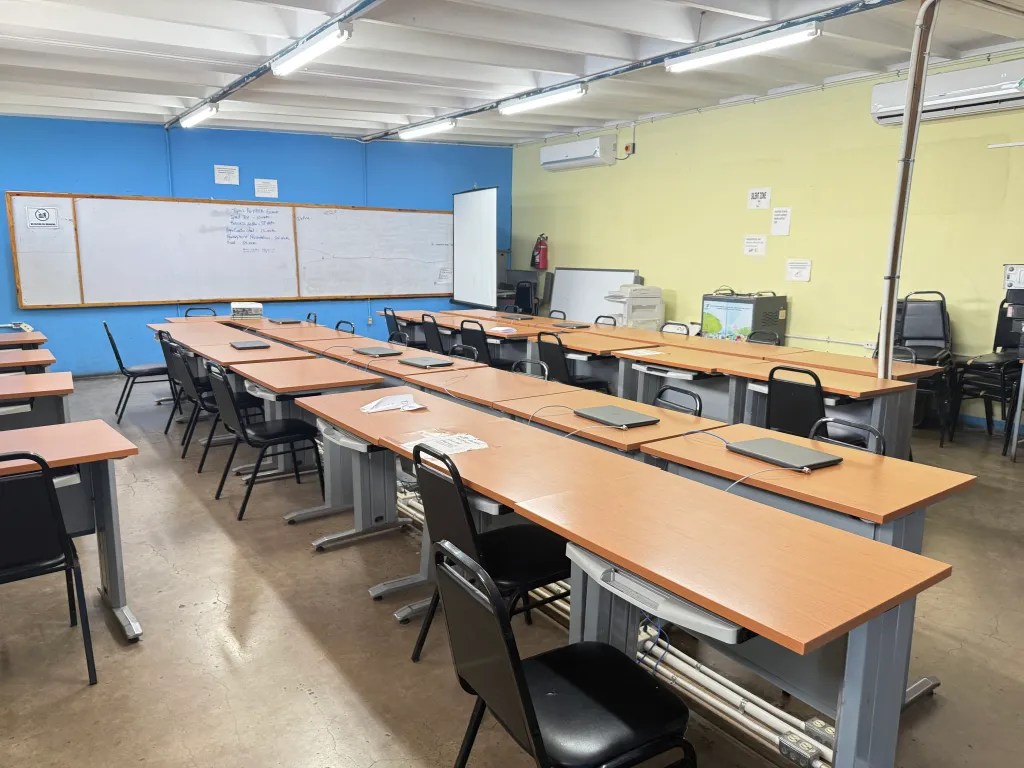


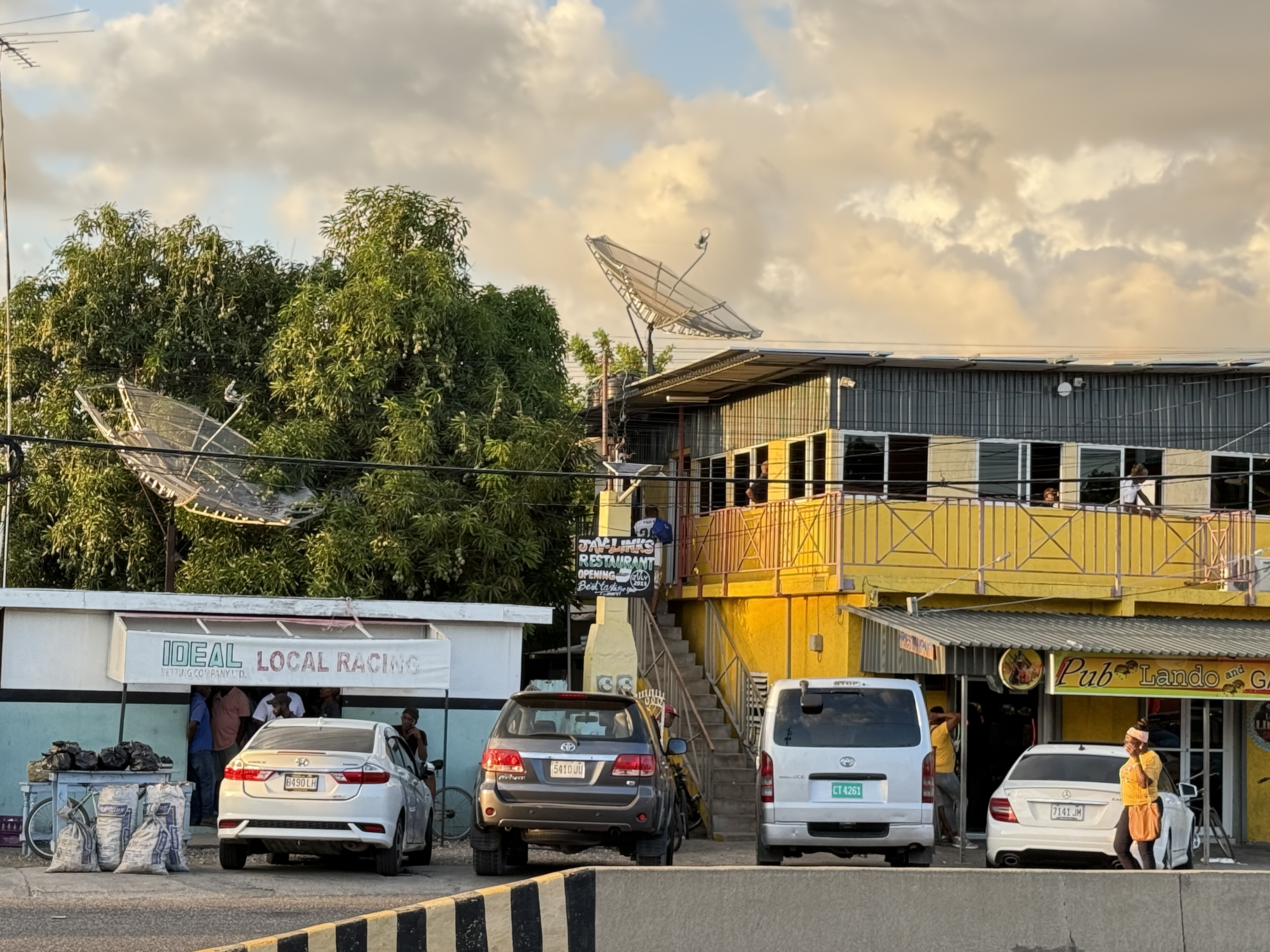
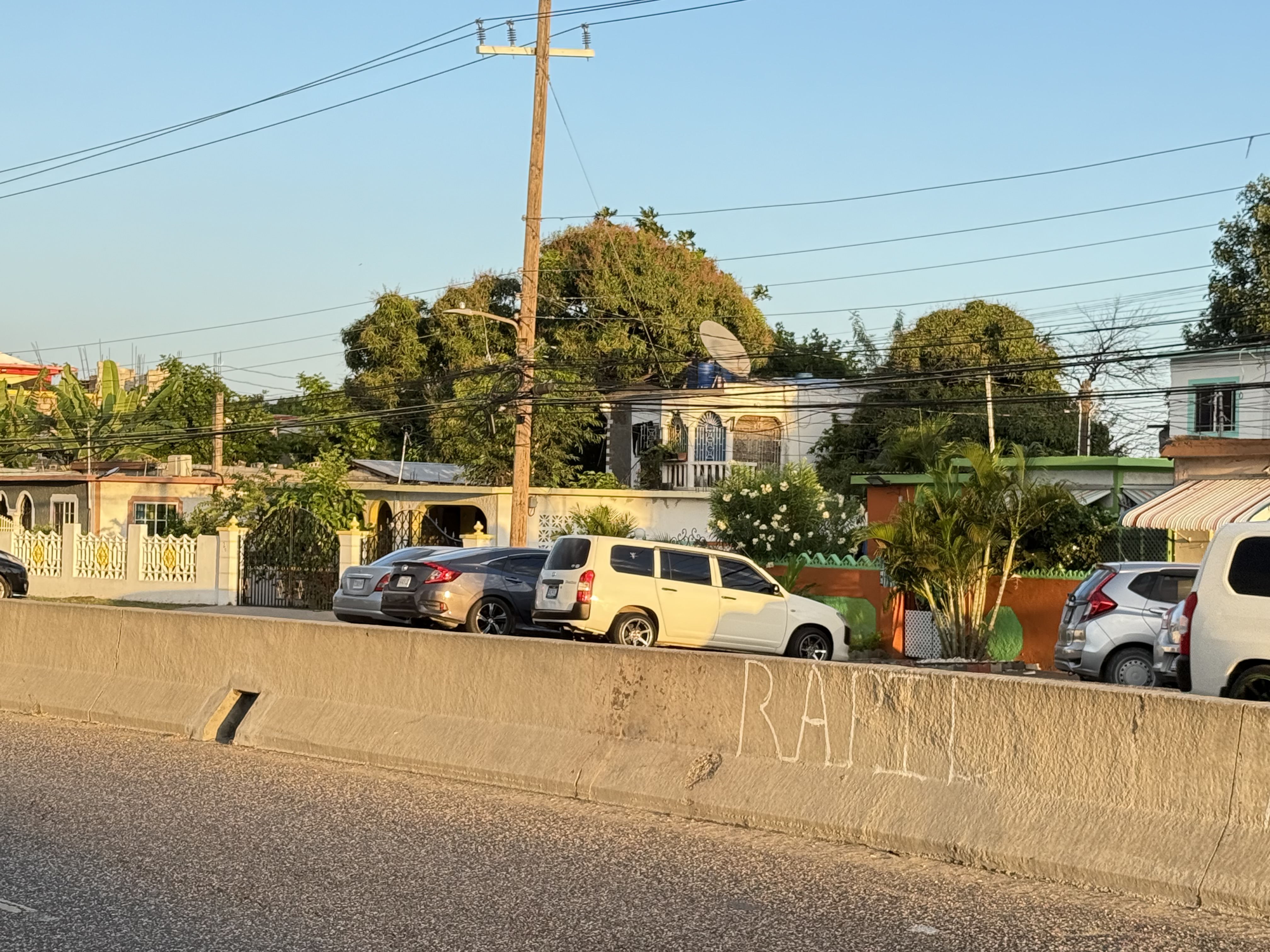
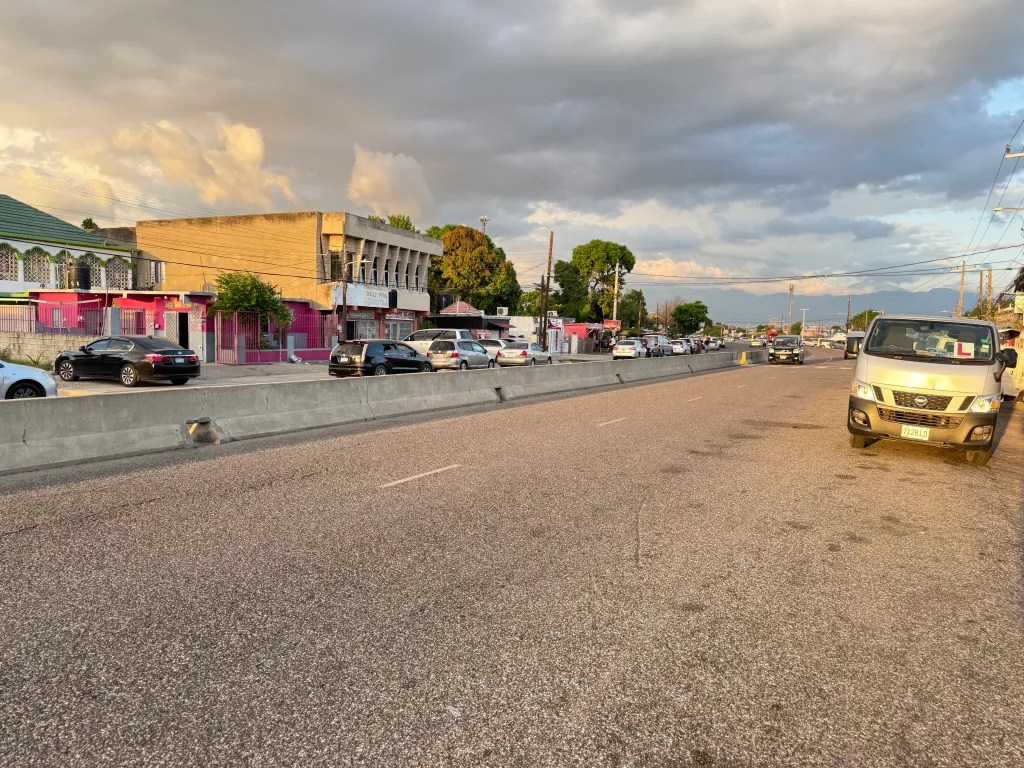
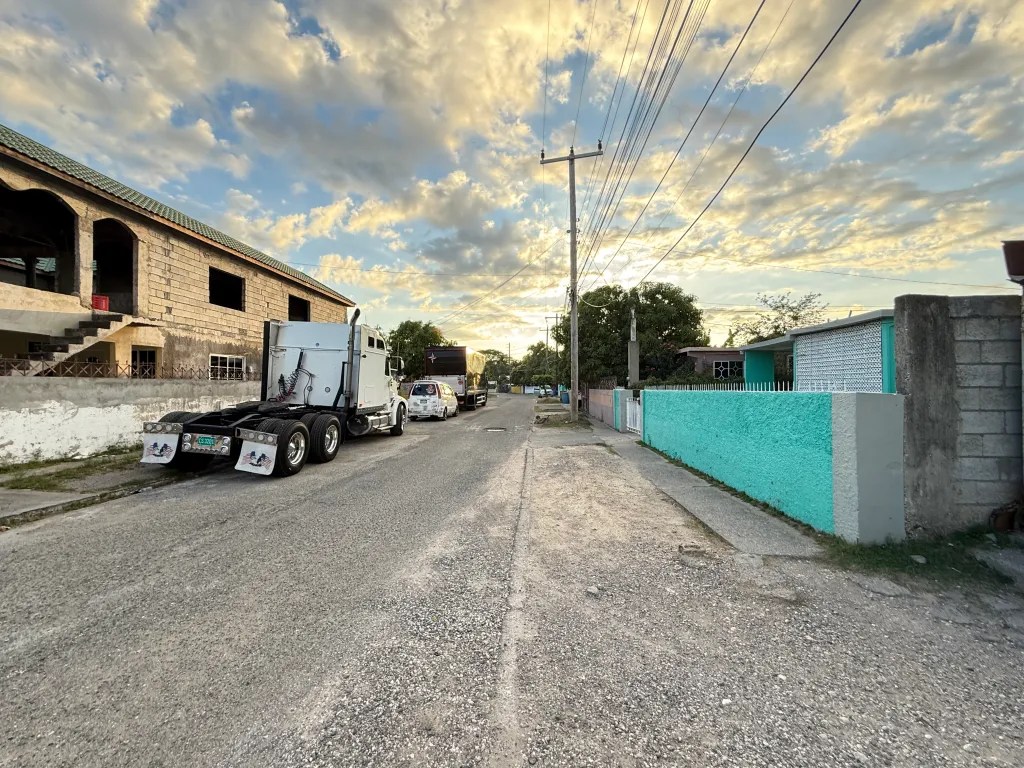
Waterford was another scheme community, but unlike Pig City, which was made of zinc and board, it reflected greater permanence and structure. In many ways, it bore more similarities to Passage Fort, with stronger homes and a sense of order that offered a very different atmosphere than the one I knew in Pig City. This was where my father purchased his house and lived until his death, and it became a place tied deeply to my own story. Waterford was more than just a collection of houses—it was a reminder of promise and hope. The presence of schools, shops, and community spaces gave it the feeling of possibility, a sense that one could build a future there rather than simply survive. These images represent that environment of stability, showing how a structured community can create both roots and pathways for growth.


Independence City
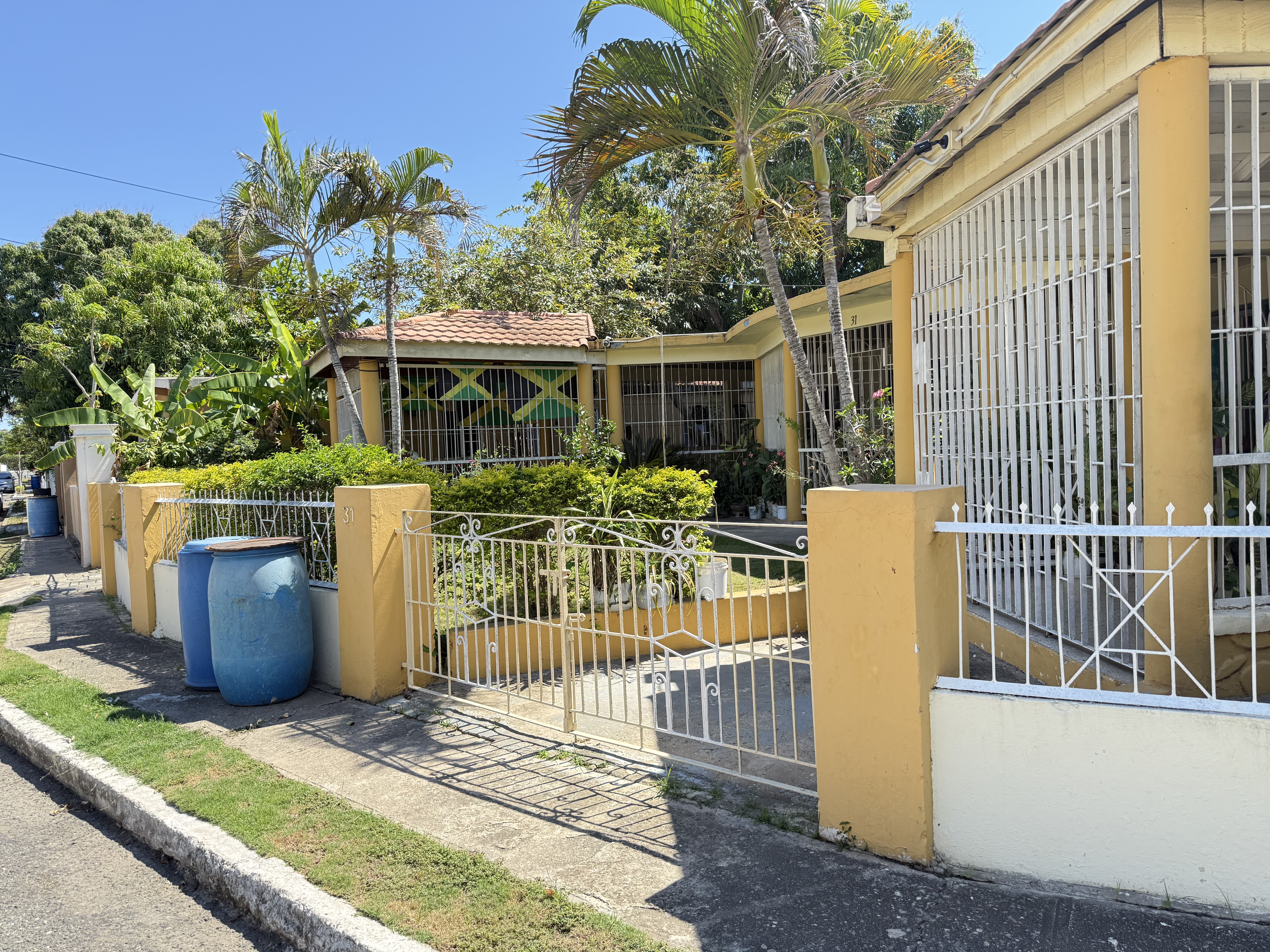
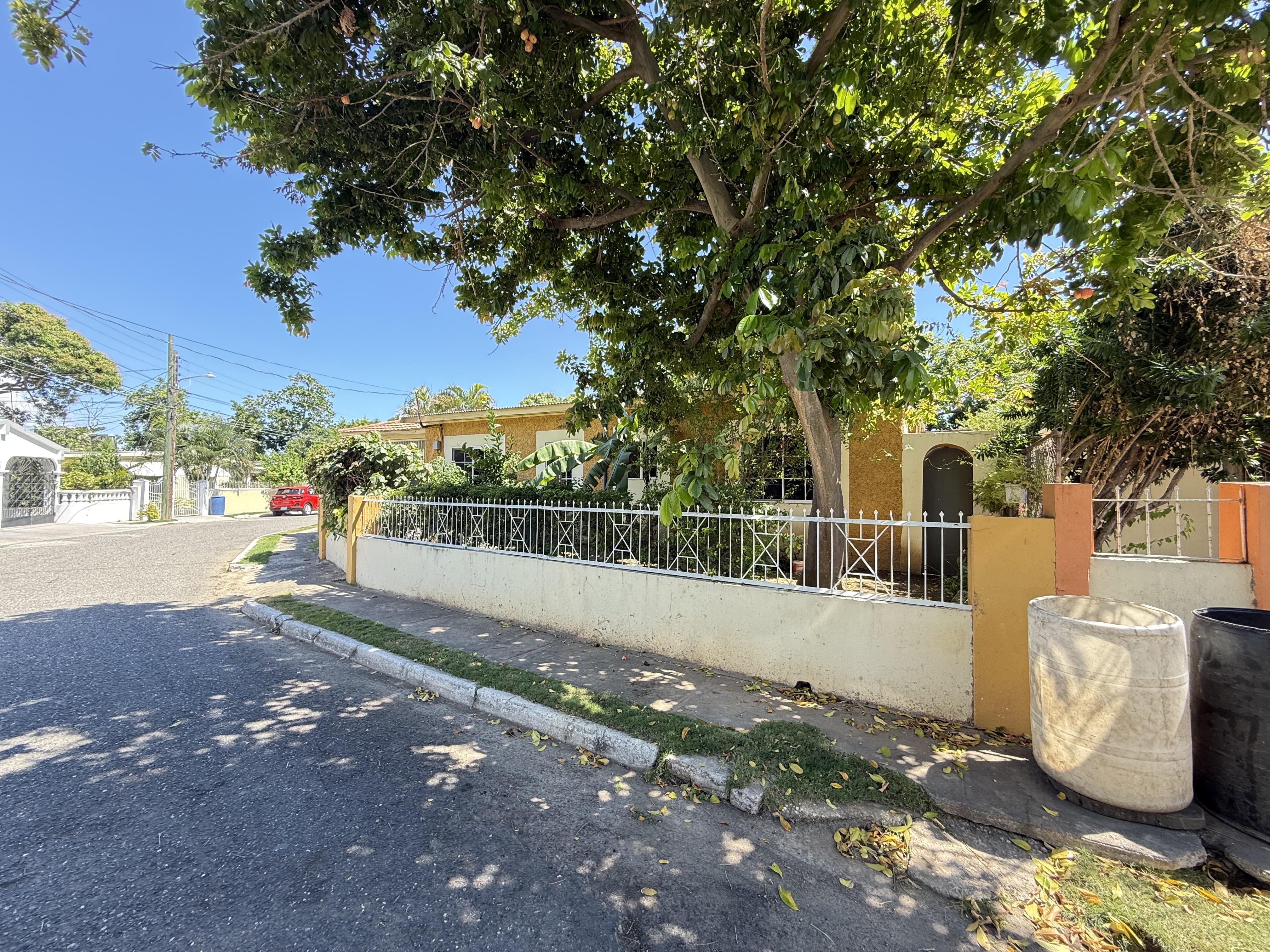
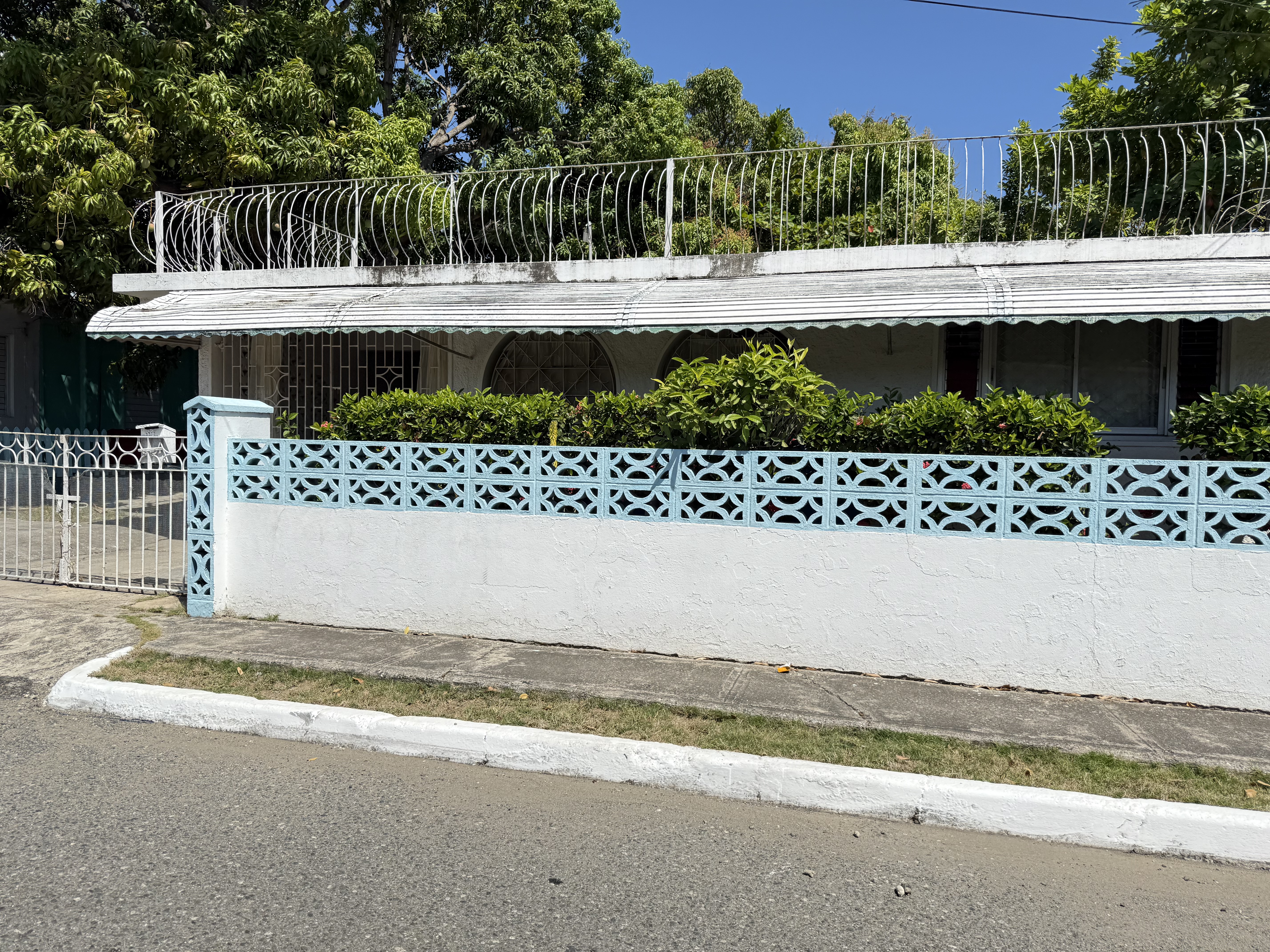
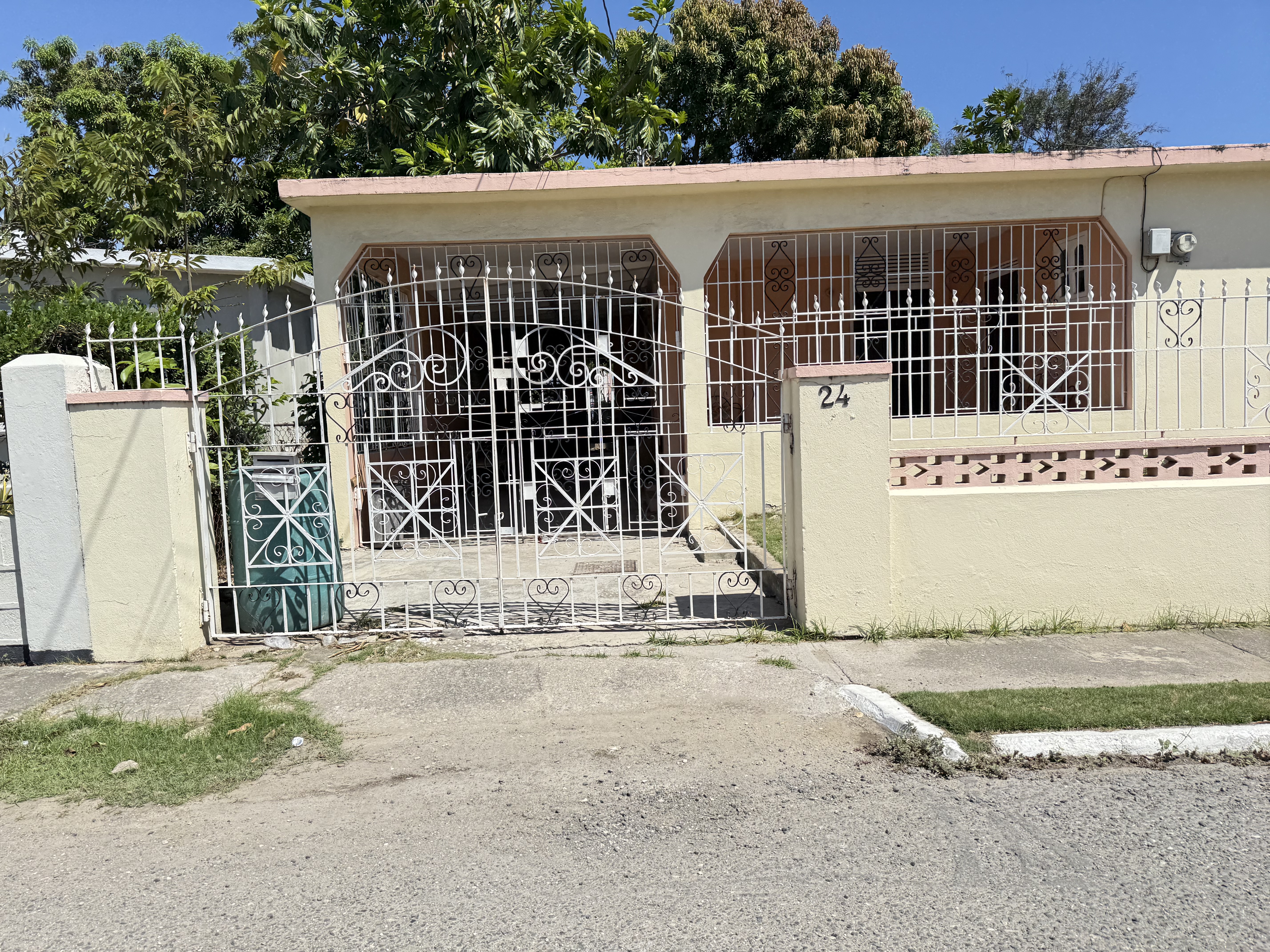
Independence City was another upscale community, and what made it striking was its nearness to Pig City. Just across the street at the big tree, life looked entirely different. The homes were sturdier, the surroundings more orderly, and the atmosphere carried a sense of comfort that felt worlds apart from where I lived. The sad part was knowing how close it was, yet how far out of reach it seemed. Fortunately, my eldest sister lived in Independence City, and during my teen years I was able to visit her home. Those visits gave me a glimpse of what life could feel like when stability and security were present. But I always knew it was temporary. Before long, I had to make the trek back to Pig City, carrying with me the sharp reminder that privilege and struggle could exist side by side, divided only by a street and a tree.
Portmore
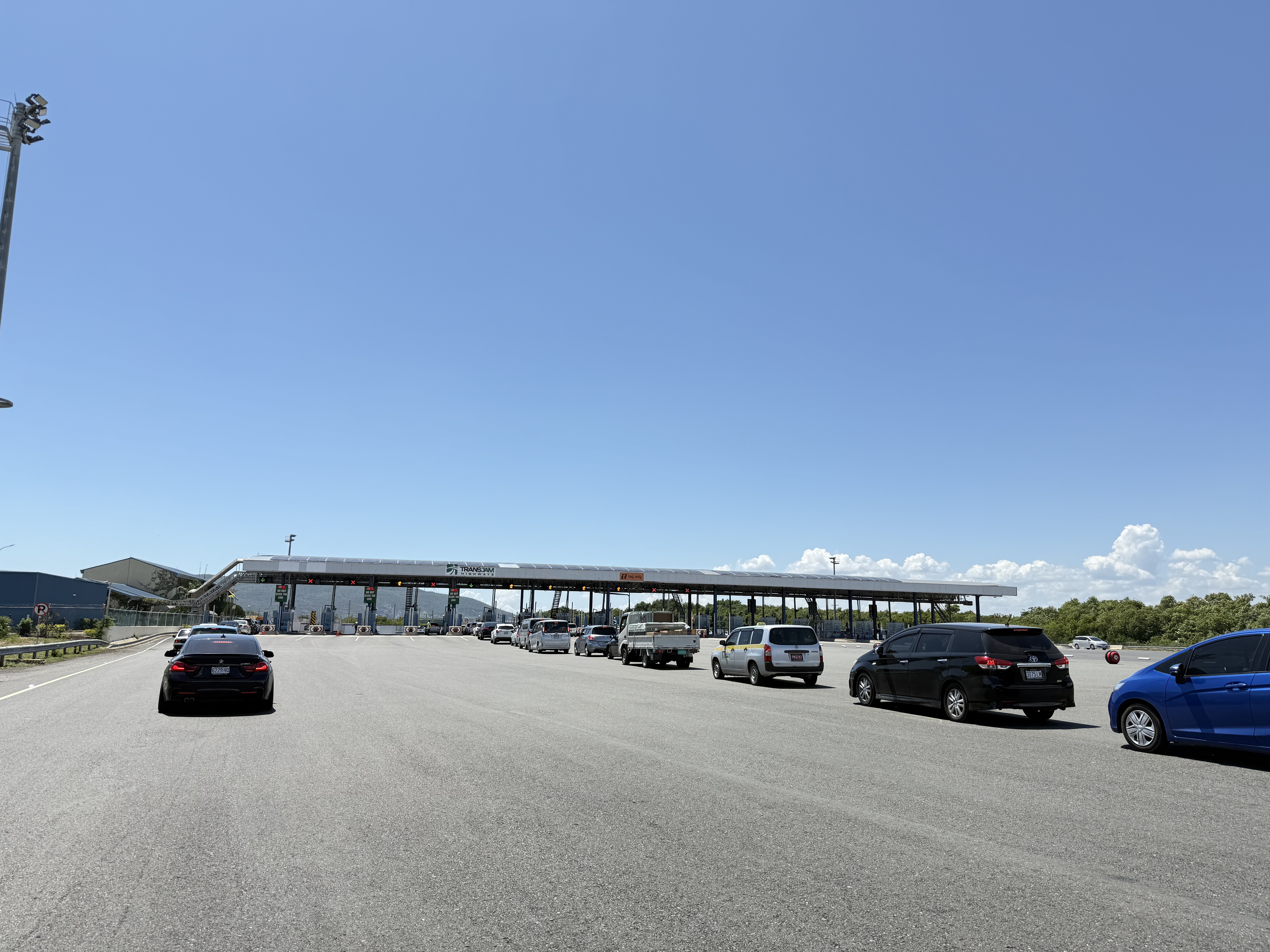
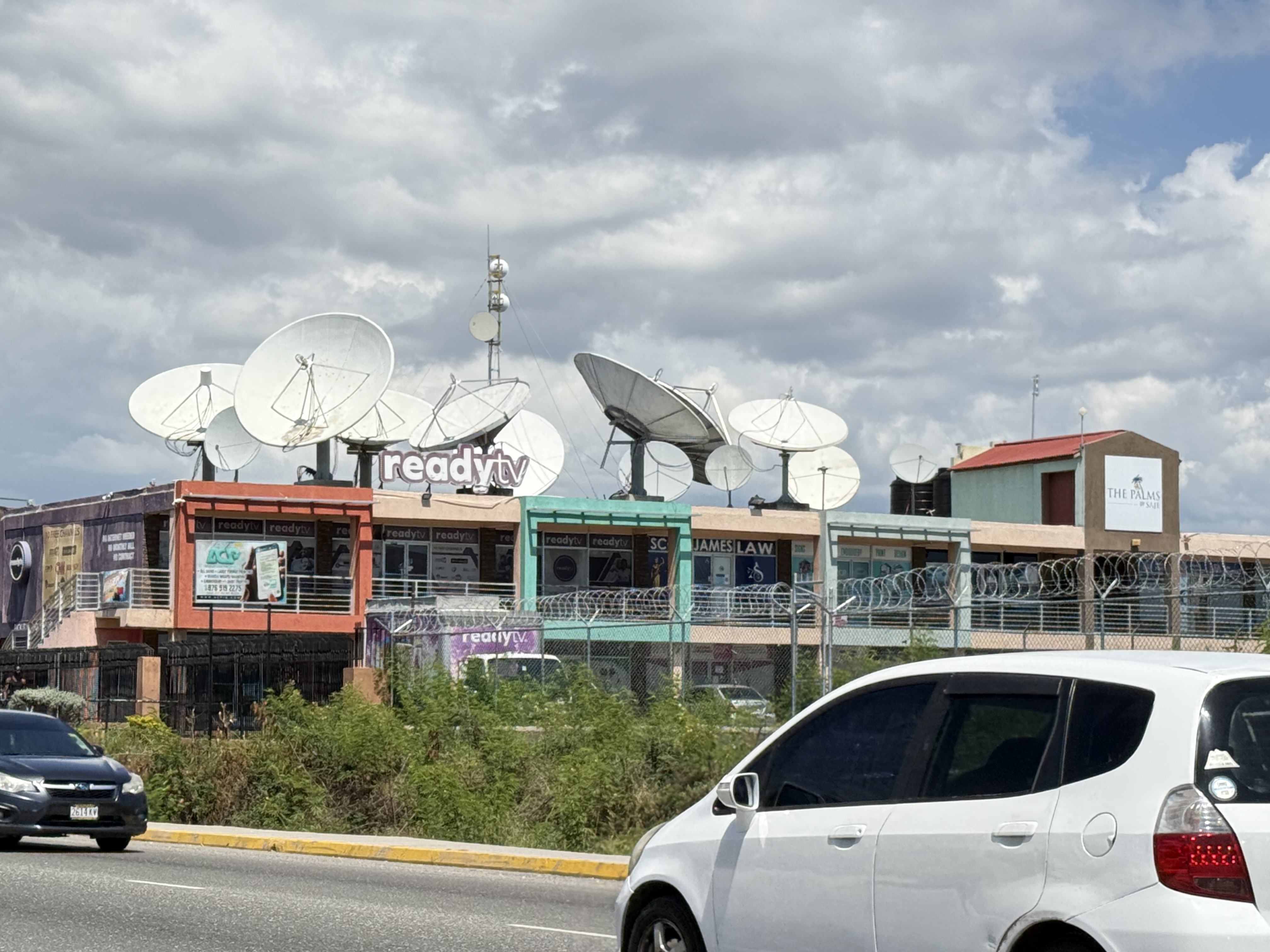
Portmore has long been recognized as one of Jamaica’s fastest-growing urban areas. According to the Statistical Institute of Jamaica, the number of communities expanded from 22 in 1991 to 40 by 2001, driven in part by the large-scale development of the Greater Portmore housing projects. Within Portmore, there were people from all walks of life—those who had money and stability, and those who struggled daily to make ends meet. I fell into the latter group. My life in Portmore was marked by constant movement, as I lived in many of its communities—Gregory Park, Waterford, Passage Fort, Independence City, Braeton Newtown, Greater Portmore, Newlands, and Naggo Head. Instead of building roots, we were always roaming, shifting from one place to the next. That lack of permanence was deeply disruptive, leaving me unsettled and making it difficult to focus in school. Looking back, Portmore represents both the growth of a city and the instability of my own journey within it.


Island Tour
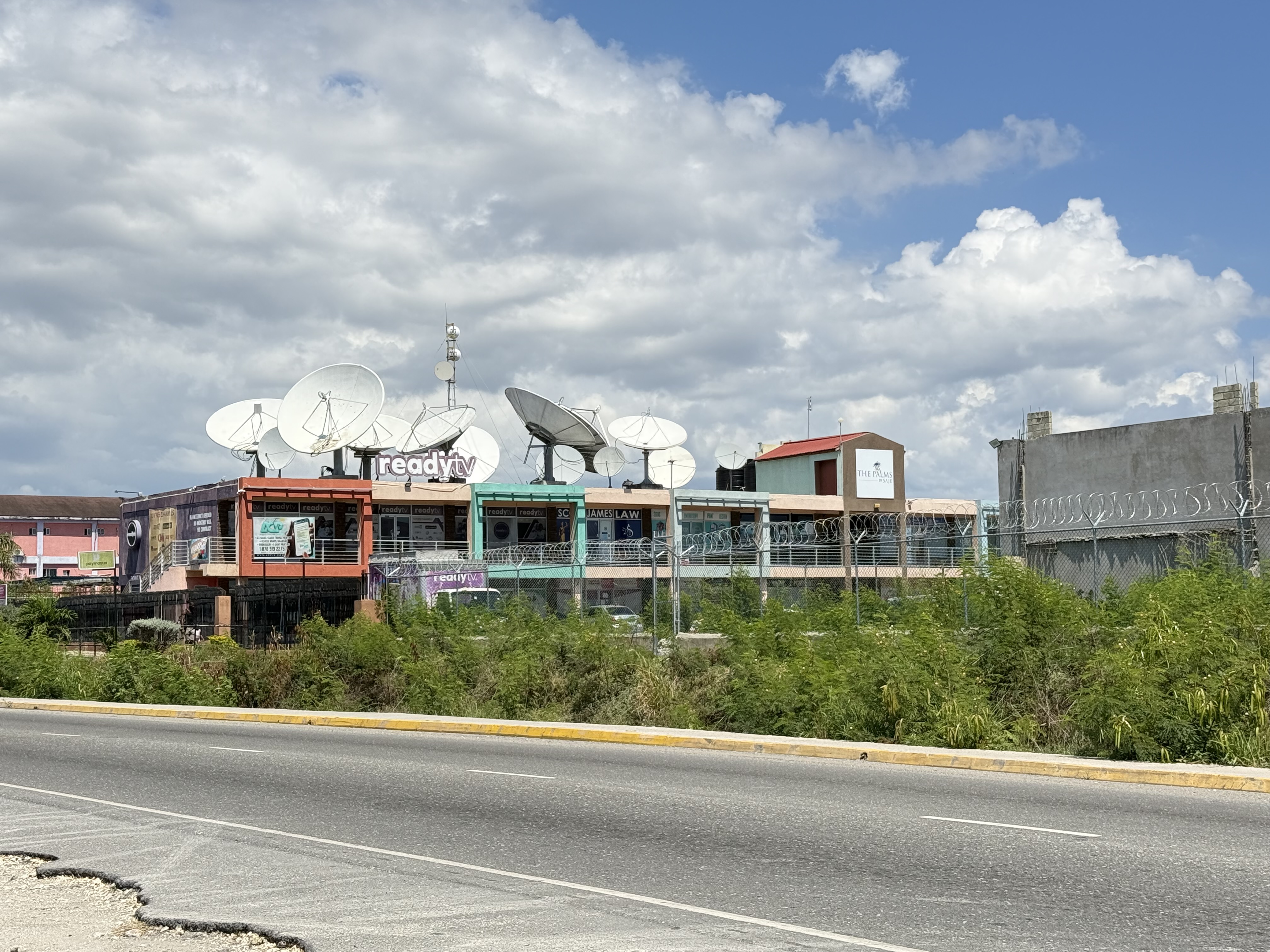
Life on an island is a tapestry woven with joy, pain, fun, and pure beauty. Jamaica was that backdrop for me—the place where I was born, raised, and shaped. It is a land of contradictions, where struggle and celebration often sit side by side, and where every sunrise carries both promise and challenge. The memories are countless: laughter echoing in neighborhoods, the sting of hardship, the rhythm of music and culture, and the breathtaking beauty of the sea and mountains. Jamaica welcomes all, whether you are born there, live there, or choose to rest there in the end. To tour the island is to tour a life filled with resilience and vibrance, a place that holds onto you no matter where you go.


My Family
Family has always been at the center of my story. My mother now lives in Waterford, in the same house once owned by my father. She is aging, but her memory remains strong and her mind is still sharp as a razor. Several other family members continue to live in the community, while a few of my five sisters have made their lives overseas. One sister passed away a few years ago, and my father has also passed on. Fortunately, we have not experienced a great deal of death in our family, but struggle has never been far away. Even as some continue to make their way out of poverty, the effort takes a heavy toll—it is slow, demanding, and at times it feels as if it bleeds the soul. These photos reflect that mixture of love and hardship, showing that while family has been a source of strength, the weight of poverty has left its mark on each of us in different ways.


Help us Improve
We Would Love to Hear From You!
Thank you so much for reading this book—it truly means the world to me. If you found it helpful, inspiring, or simply enjoyable, I would be deeply grateful if you could take a moment to leave a review.
Your feedback not only helps other readers discover this book but also motivates me to continue creating meaningful and valuable content for you.
How to Leave a Review
- Scan the QR Code
- Use the QR code on this page to go directly to the review section.
- Through Amazon
- Visit your Amazon Orders page.
- Find this book in your order history.
- Click “Write a Product Review.”
Your Review Matters
Your kind words make a big difference in reaching others who may benefit from this book. Thank you for your support!

Click here to go directly to the review section on Amazon or scan the QR code.